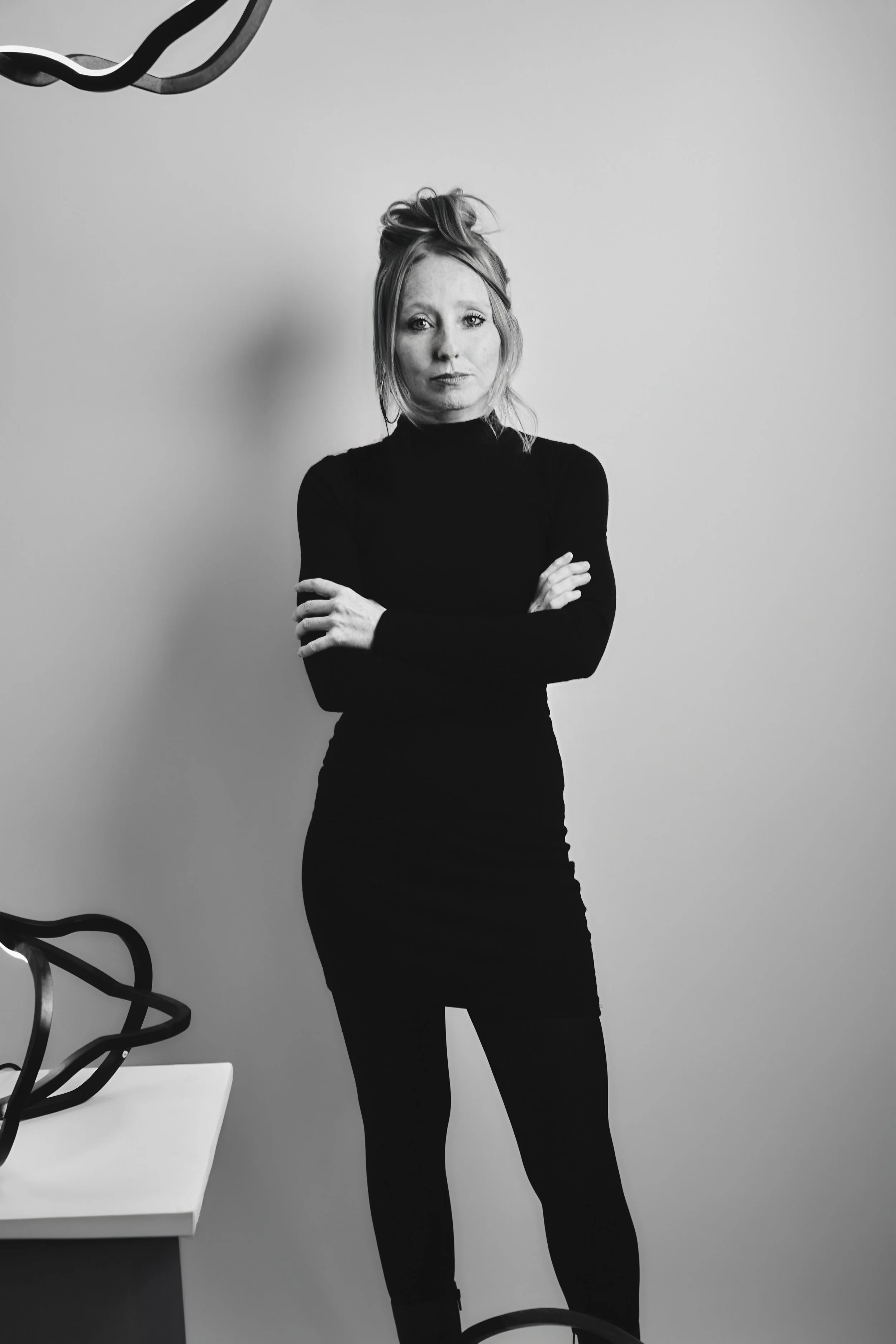
ALE JORDAO
LIGHTNING BOLT NEON
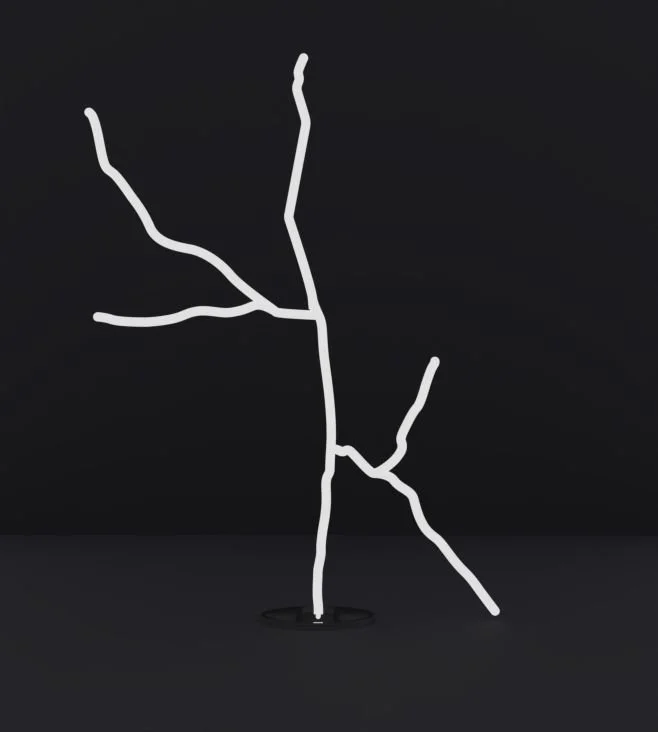
An installation that evokes the power of nature in its extremes. A bolt of light — precise and pulsating neon on an iron structure — translates the energy that both benefits and destroys: a vital force that generates movement and progress, but is also capable of causing imbalance and catastrophe. The metal structure sustains the neon, but also opposes it, reflecting humanity's attempt to contain what is, by nature, untamable. The work invites awareness and respect toward nature, this luminous, intense and inevitable force.
Lightning Bolt
Neon and metal
180 × 250 cm
€10.000

Born in São Paulo in the 1970s, Alê Jordão studied Fine Arts at Faap and Design at Domus Academy in Milan. Since 2001, he has been developing a body of work that moves across visual arts, design and fashion, with neon as his central language. His search in urban culture — signage, skateboarding, basketball, hip-hop — material for his work, that ends up carrying the DNA of the streets with conceptual rigor. Present in museums such as Palazzo Barberini, in Rome, and the Museum of Science and Technology Leonardo da Vinci in Milan, his work is part of collections ranging from Queen Silvia of Sweden to Apple Music.
@alejordao_art
ANDRE BASTOS + PEDRO AVILA
FAUNO LAMP
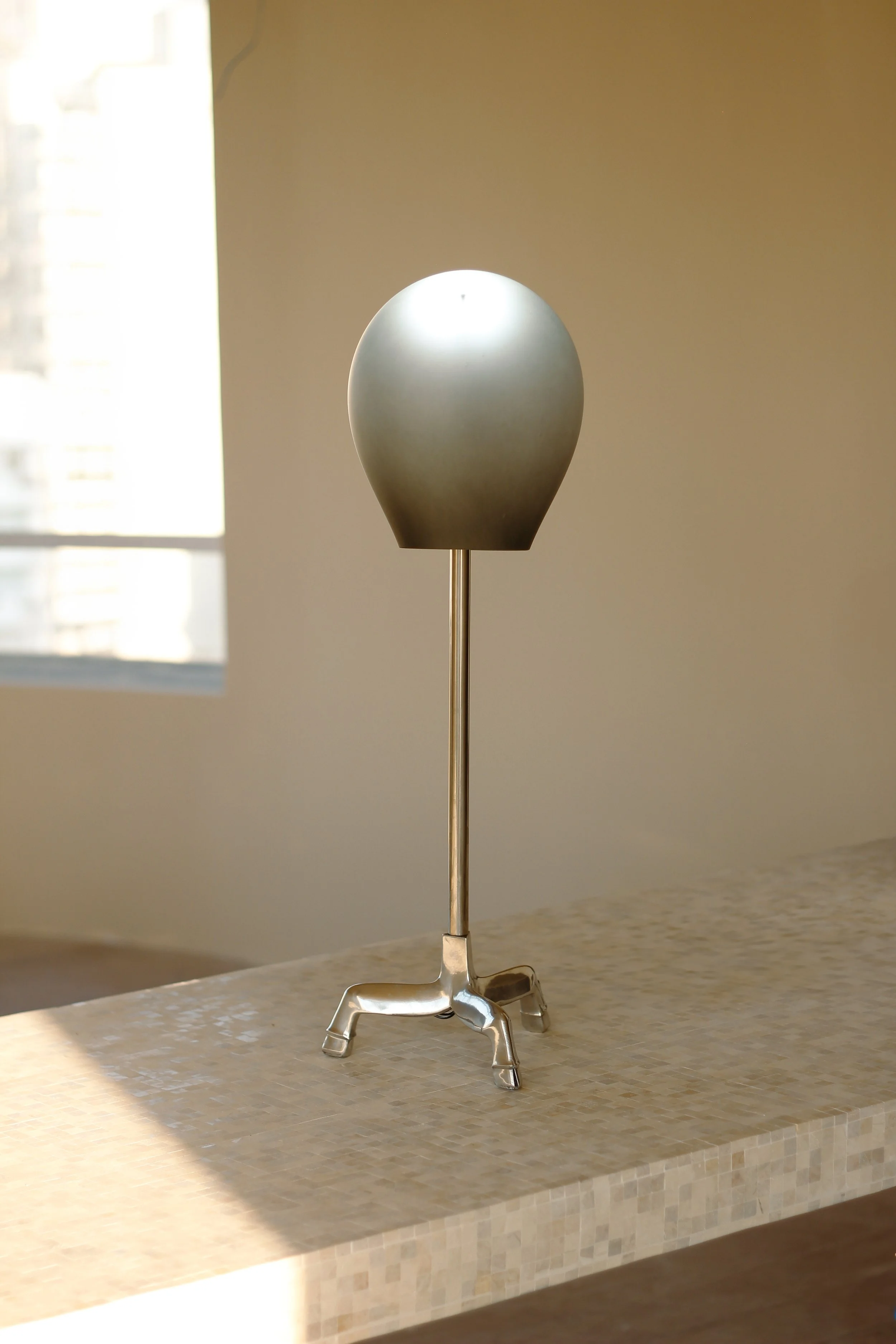
This collection brings together utilitarian objects conceived as sculptures. Figurative forms evoking Art Nouveau intersect with abstract shapes that connect this dialogue into contemporary design. The theme draws from Greek mythology — goat legs of fauns and bulls embodied by Dionysus. The choice of post-industrial materials such as stainless steel and aluminum counterpoints these references to art and furniture of the past.
Fauno Table Lamp
Cast aluminum, stainless steel, smoked blown glass
22 × 72 cm
€4.000
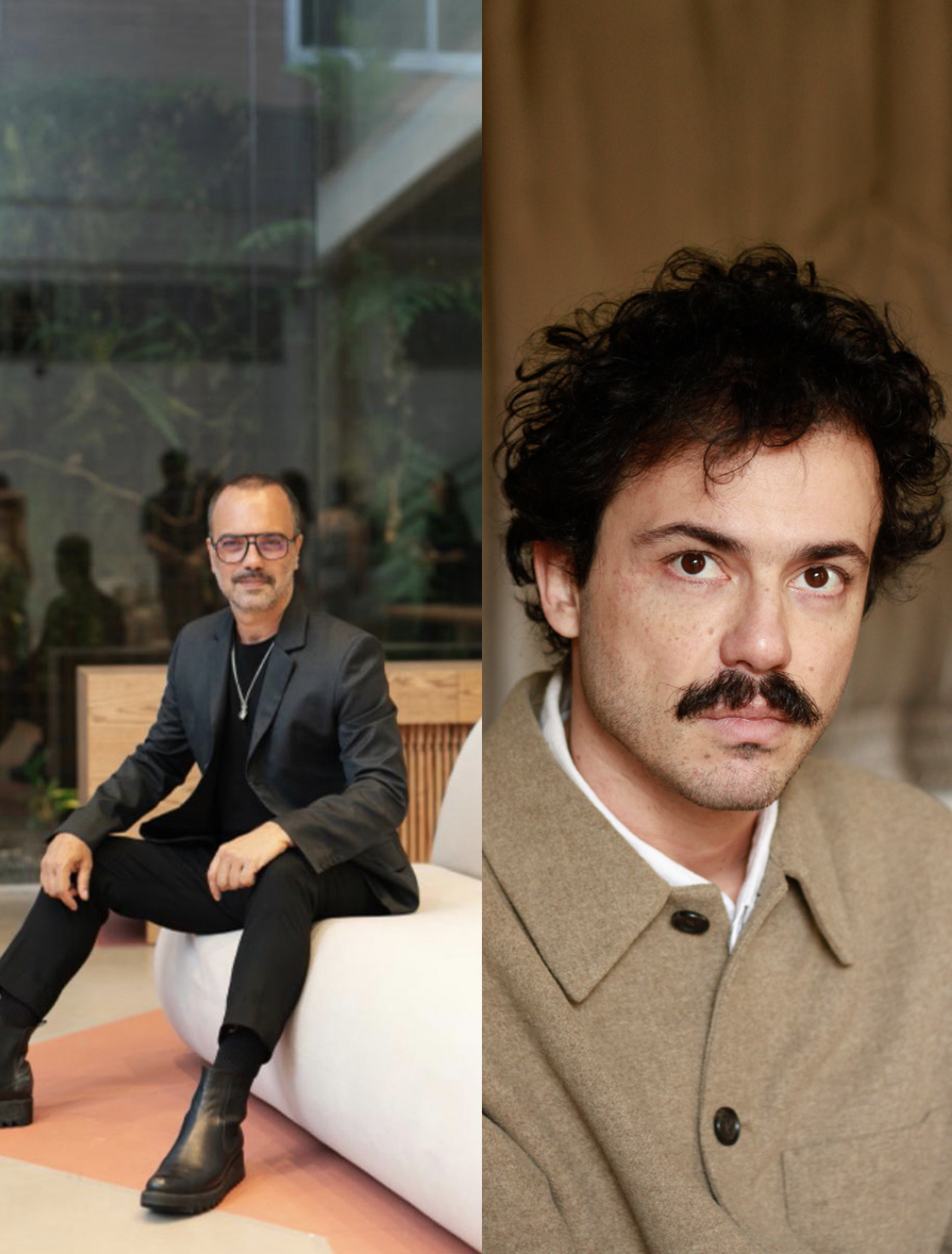
André Bastos is a São Paulo-based designer whose practice spans fashion, furniture, lighting and interiors. He began his career in fashion and founded Estúdio Nada Se Leva in 2006. Recognized in the Brazilian furniture scene, his collaborates with brands such as FirmaCasa and Casual, as well as design stores across the country. He led the relaunch of Dominici lighting for La Lampe and, in 2025, presented an environment at CASACOR São Paulo, exploring the relationship between space, object and immaterial narrative.
Born in Brasília, Pedro Ávila develops his work through a sculptural approach to objects. He founded Estúdio Orth in 2017 and, ever since, he has collaborated with companies such as YouTube, Vitacon and Ambev. In 2020, he was named one of Forbes Brazil’s Under 30, expanding his international presence. His practice explores materials through both manual and industrial processes, resulting in collections that move between craftsmanship and technological production.
@andrefbastos @avilapedro
ARTHUR CASAS
BLOCO ARMCHAIR
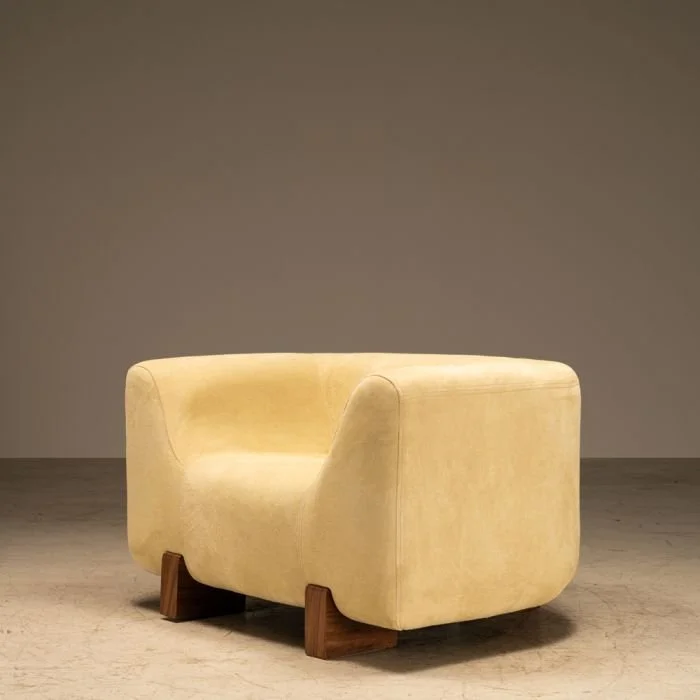
An expression of contemporary design. Defined by minimalist lines and delicate yet character-rich details, the piece combines elegance, comfort, and precise proportions, creating a sophisticated and timeless presence in any space. Flly upholstered in fabric or leather, with walnut feet.
Bloco Armchair
Upholstery with solid wood legs and walnut veneer
110 × 83 × 66 cm
€8.700
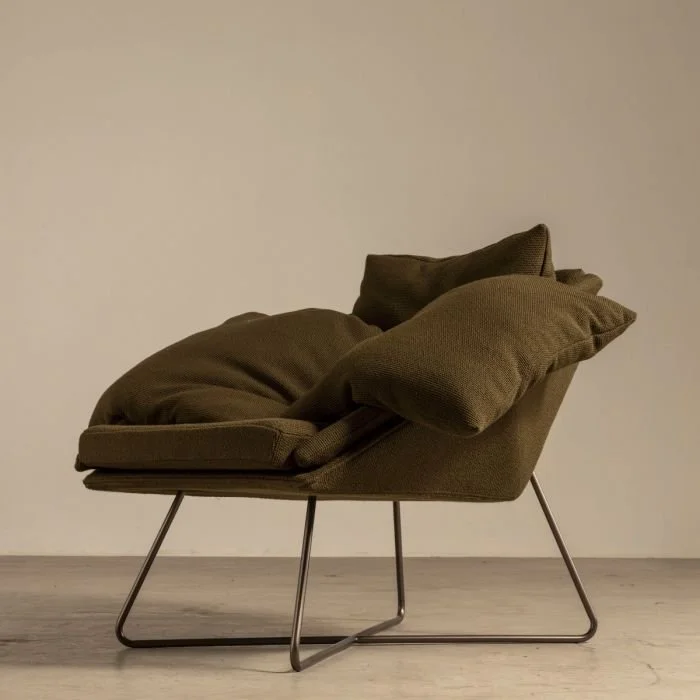
Hexagon Armchair
Upholstery with solid wood legs and walnut veneer
90 × 100 × 72 cm
€8.700
HEXAGON ARMCHAIR
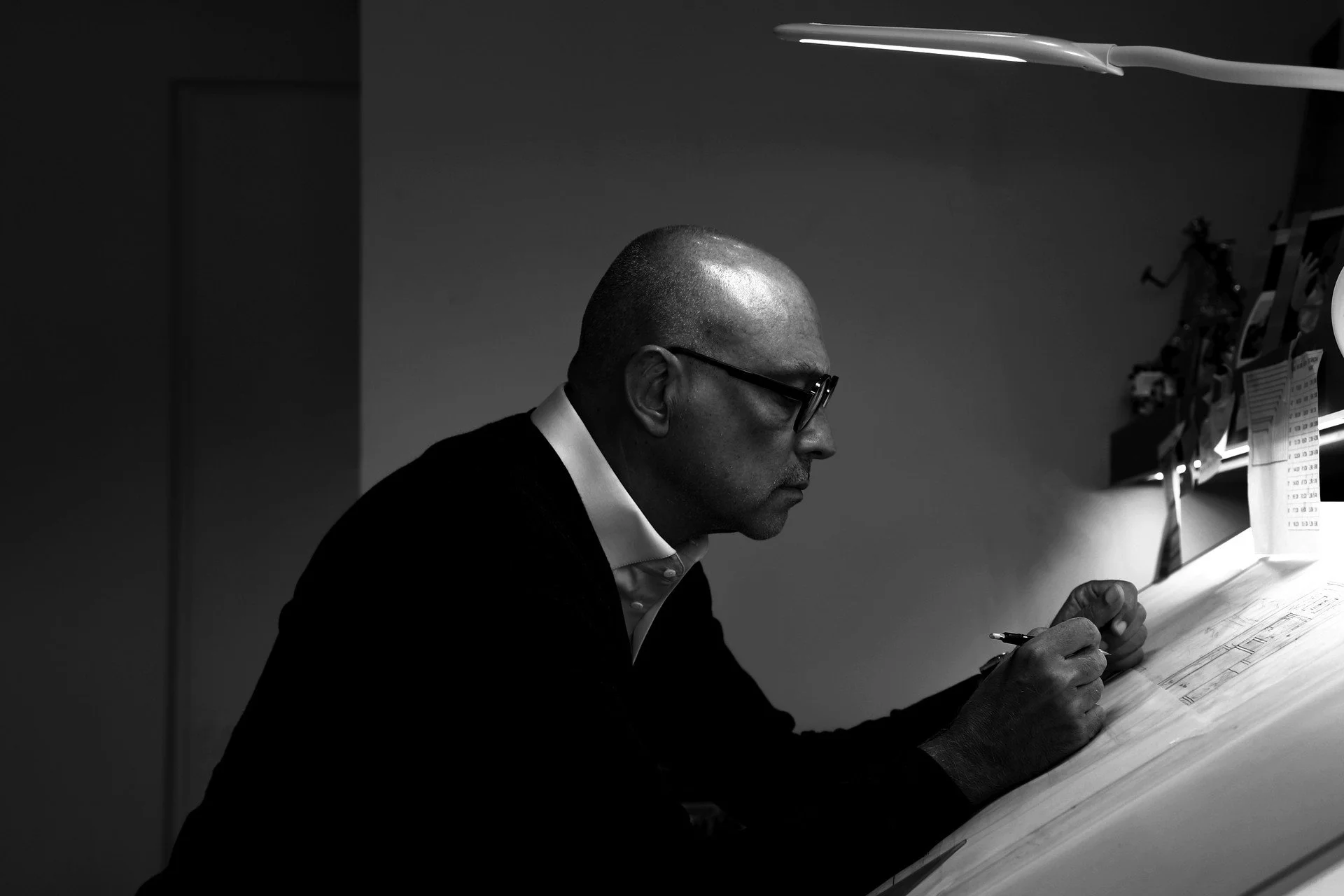
Arthur Casas is a Brazilian architect and urbanist whose practice operates across scales, from furniture to urban design. Guided by a modernist yet cosmopolitan vision, his studio develops projects through a continuous dialogue between object, space and landscape. Working internationally from offices in São Paulo and New York, the studio’s portfolio spans residential and commercial architecture, interiors, buildings and design. Its projects are defined by the combination of natural materials with refined detailing and a consistent attention to quality at every scale. With projects completed and under development across Europe, the Americas and Asia, the studio has gained international recognition, with work featured in publications such as Wallpaper AD and Interni. Led by Arthur Casas alongside director Marília Pellegrini, the multidisciplinary team brings together architects and designers who collaborate closely.
BRUNA HORN
AURORA LAMPS
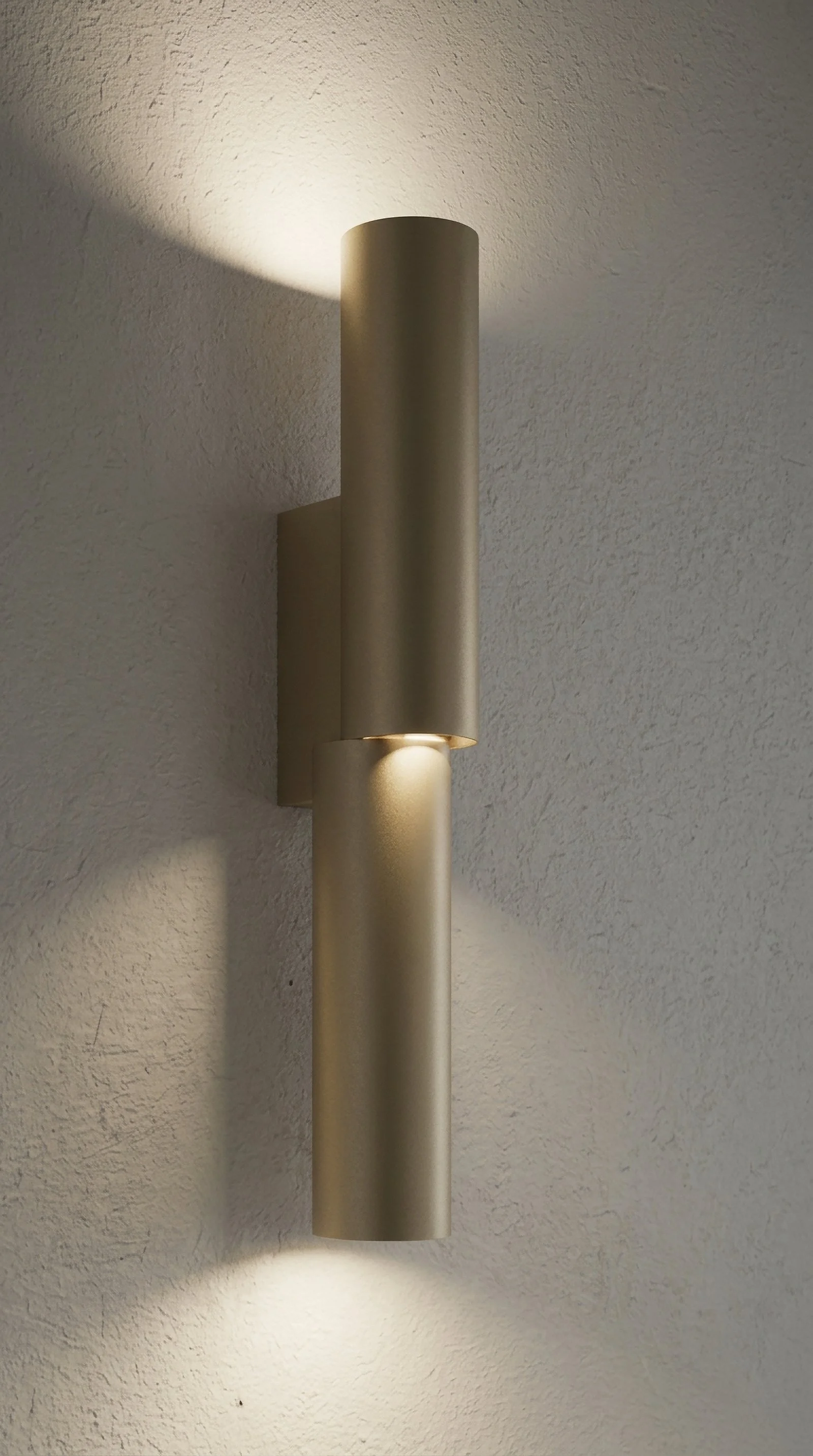
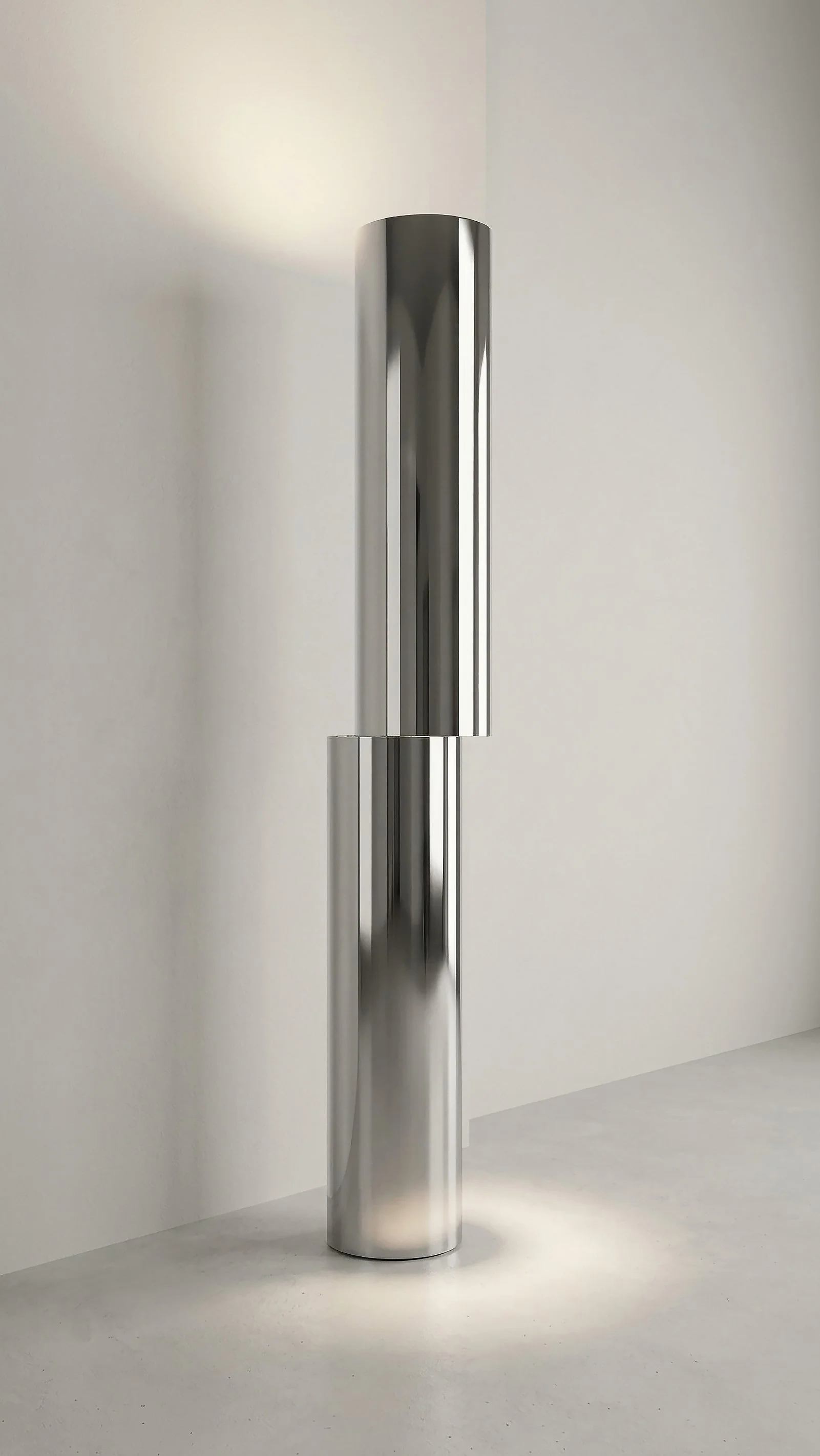
The Aurora collection came from Bruna Horn's creative immersion in Milan, where a deeper connection with Italian craftsmanship and European contemporary aesthetics shaped her design language. Inspired by Italian rationalism, the series brings together floor lamps and wall sconces — functional and sculptural pieces that prioritize visual comfort. Each piece is handmade in polished stainless steel or polished brass, and receives Murano glass diffusers, combining precision engineering with the living quality of blown glass. Also on display: Bocciolo (2025), a blown glass vase created using the Murano technique, exploring form and chromatic depth through the heritage of Venetian craftsmanship.
Aurora Wall Lamps
Polished stainless steel and murano glass
10 × 40 cm
€3.700 a pair

Born in Brazil and based in Miami, Bruna Horn is a designer and creative director whose practice moves fluidly between continents and cultures. Educated in Interior Design in São Paulo and New York, she spent over a decade shaping the aesthetic direction on Brazil’s leading luxury design houses. In Florida (USA), she founded the Home Staging department for the brand and later worked as a brand director and curator. In 2021, she launched her own boutique studio dedicated to luxury residential interiors. Her work has been featured in Vogue and Casa Vogue. Her debut at Milano Design Week 2026 marks her formal introduction to the European design scene – she's currently specializing in Design at Istituto Marangoni.
brunahornstudio.com @brunahorn_studio
CRIS BERTOLUCCI ESTUDIO
BICHO PAU
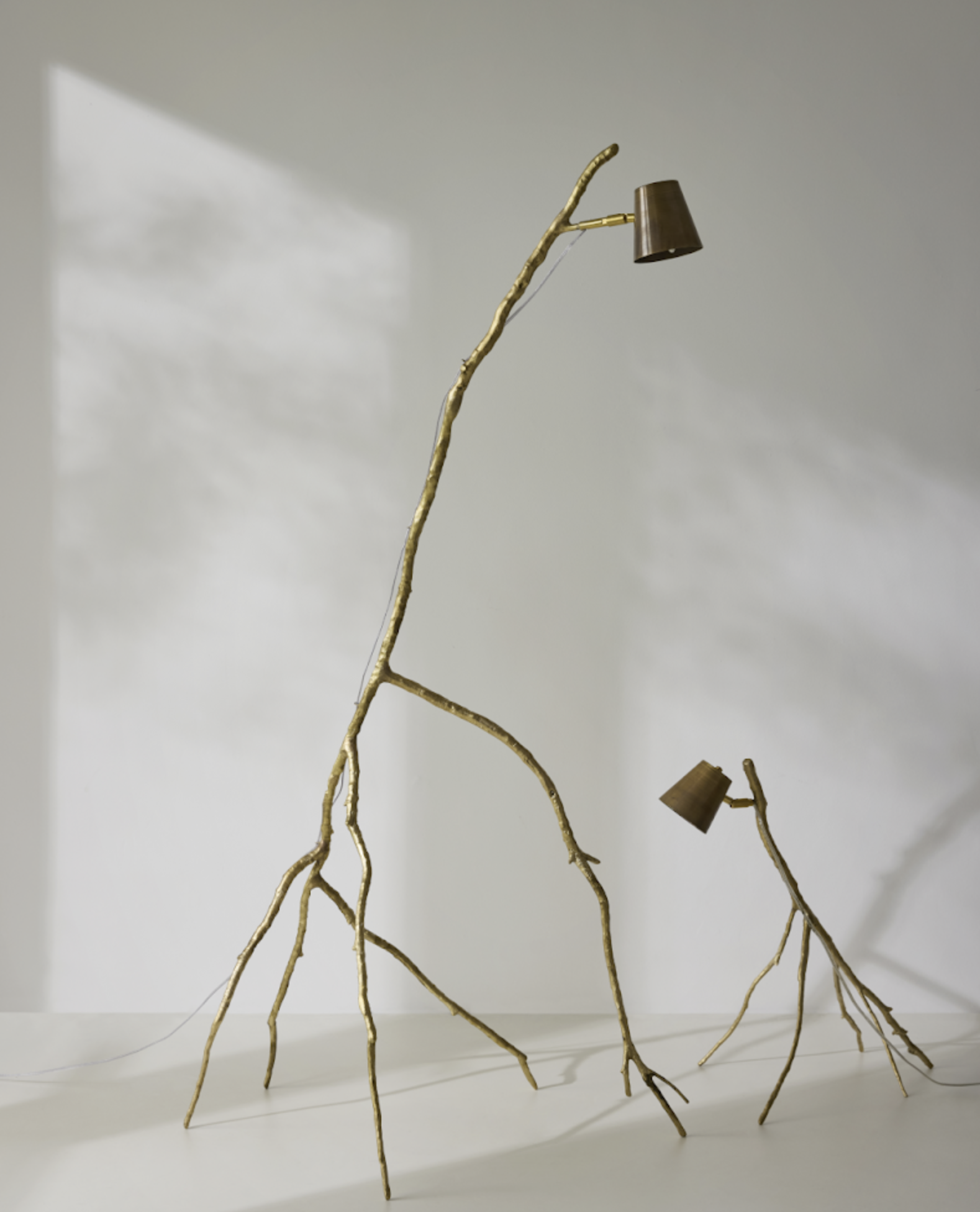
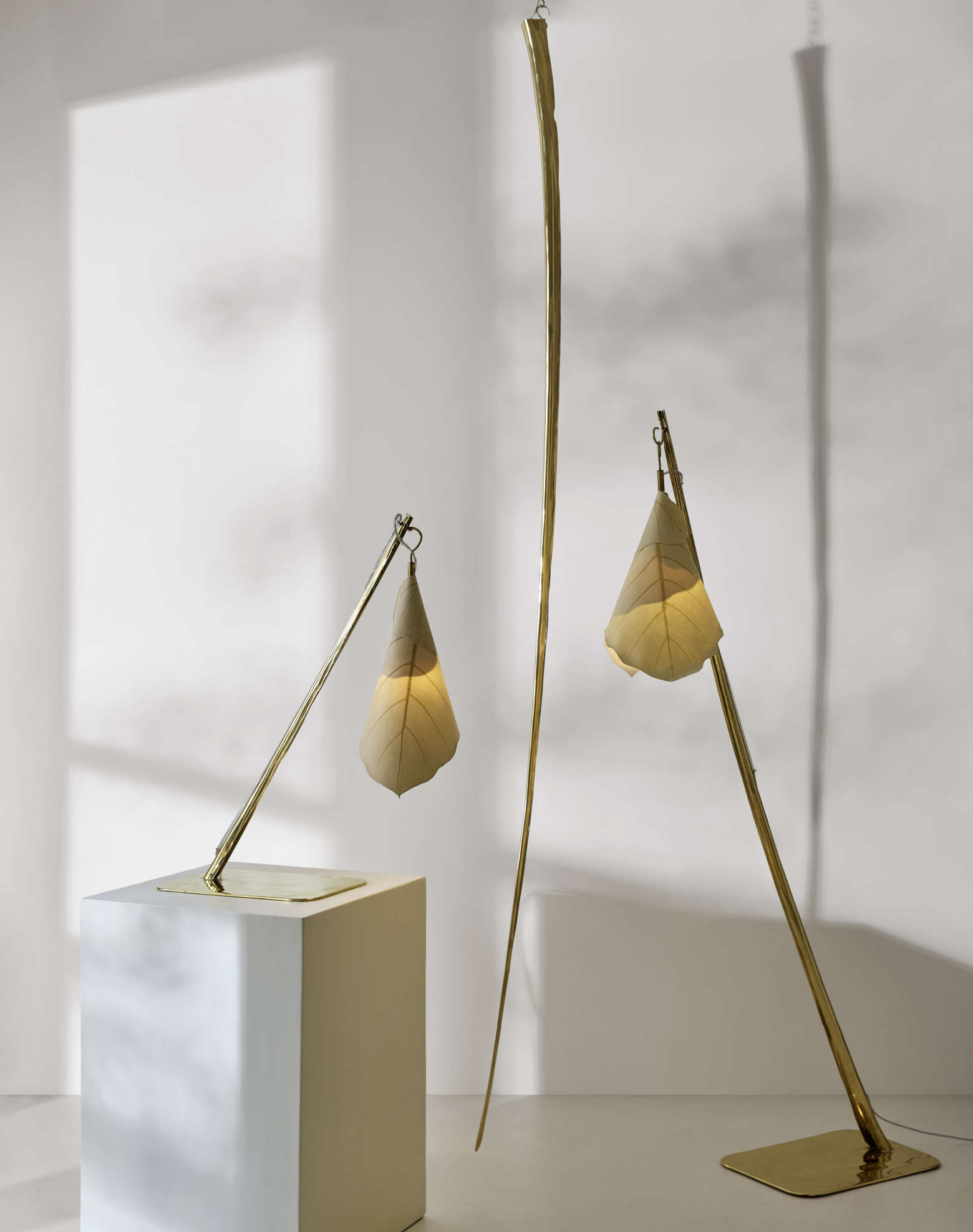
The series brings together luminous sculptures in different scales, drawing a direct connection with nature. The investigation departs from the insect of the order Phasmatodea, whose elongated structure mimics branches and operates through camouflage as a strategy of permanence. Derived from the Sabiá collection, the series incorporates the logic of branches in cast metal. Elongations, bifurcations and structural irregularities build a language that brings matter and organism closer together, without resorting to literal representation. The bronze casting process, conducted through intense heat, transforms organic matter into mineral permanence — an ancestral method that associates transformation and continuity.
Bicho Pau Table Lamp
Sandblasted cast bronze and brass
59 × 36 × 52 cm / 62 × 80 × 150 cm
€2.700 table lamp
€5.400 floor lamp
Amazonica Table Lamp
Cast bronze and elephant ear leaf vegan leather
57 × 25 × 67 cm
€3.240
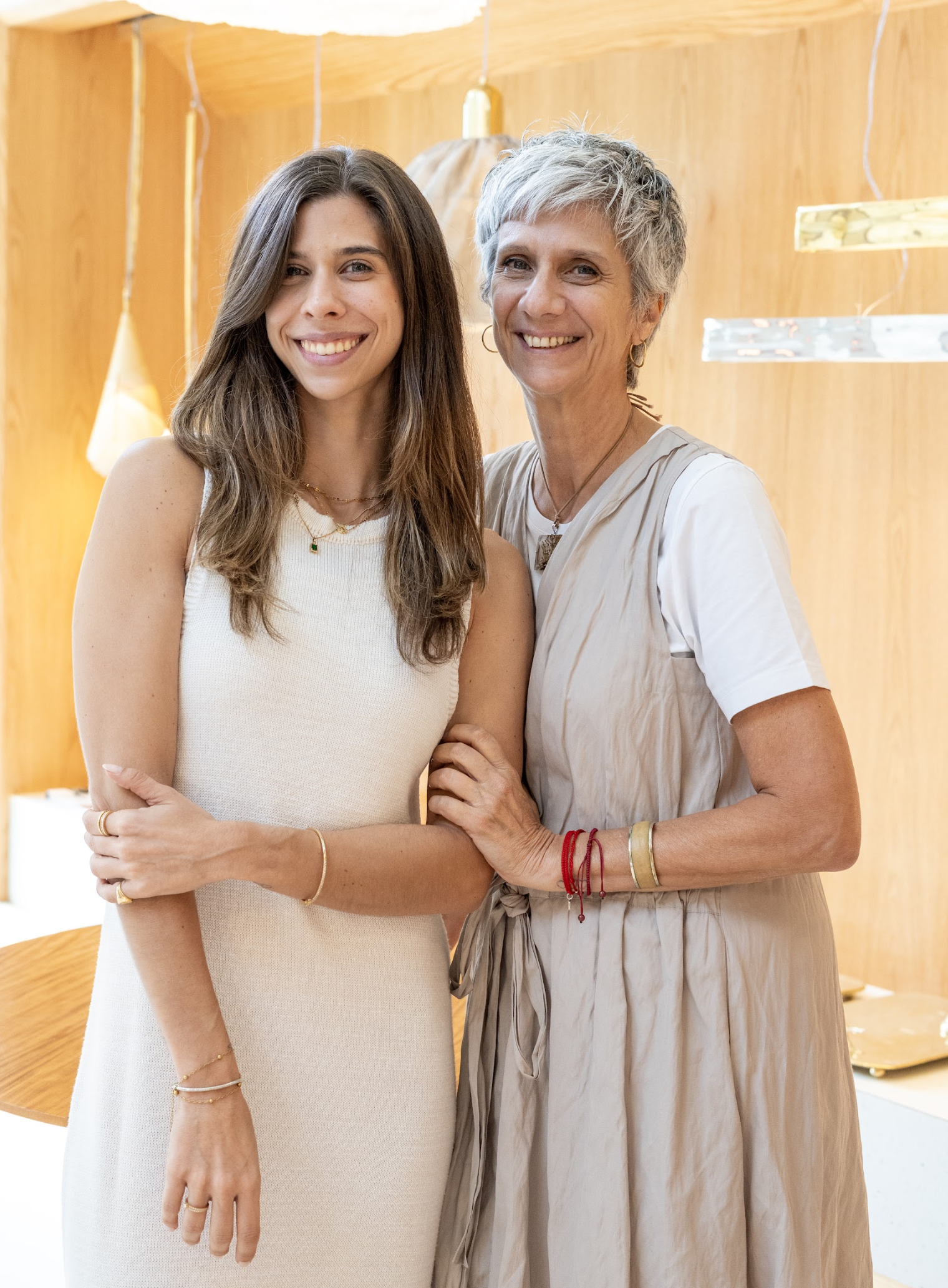
Graduated in Industrial Design at Universidade Mackenzie, in São Paulo, and later at the Università Internazionale dell'Arte in Florence, Cris Bertolucci has been developing a practice centered on light as a conceptual material. For 25 years she worked at Bertolucci, a decorative lighting company founded by her father, and then decided to launch her own studio in 2010. Since 2023, her daughter Giovanna Bertolucci has actively joined the creative team. The studio has participated at the Paris Design Week in 2024 and featured by Casa Vogue.
crisbertolucci.com.br @cristianabertolucciestudio
FABIO LIMA
FOR VENET DESIGN
EVO
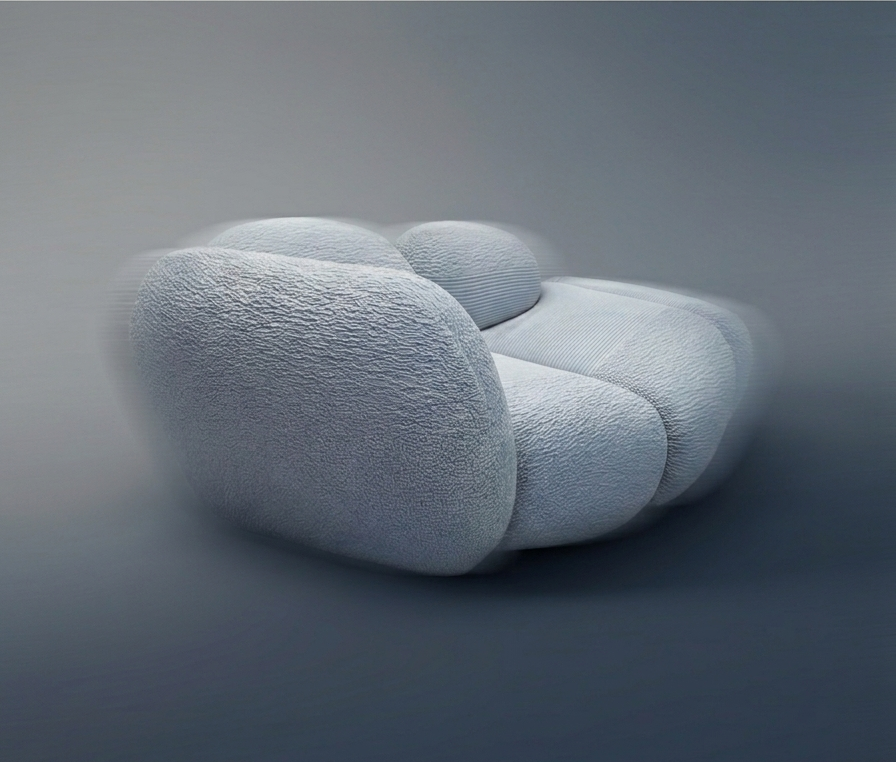
inspired by tailoring and the quiet elegance of the Italian tradition, where rigor, proportion, and finishing define the quality of design. The collection takes shape as curtains conceived as light architecture, in constant dialogue with light and space.
The fabrics were developed exclusively for the collection, with careful attention to materiality, texture, and long-term performance, incorporating responsible processes and a considered approach to sustainability. Every detail reflects a commitment to durability, precision, and sensibility—a design that organizes space and accompanies everyday living with ease.
Evo Sofa
Wooden and OSB structure, Duofix system, foam and double fabric
185 × 90 cm
€2.900
Graduated from the Federal University of Paraná and based in Serra Gaúcha, Fabio Lima has been working for over 28 years with global brands, developing projects across nearly every product category, from sports fashion to furniture. He has collaborated with brands such as Rider, Olympikus, Fila and Unicasa. A specialist in enhancing brand value through design, he focuses on maximizing perceived value in every product he creates. Currently, he serves as head of design at Venet, the new brand from Grupo Italia Estofados.
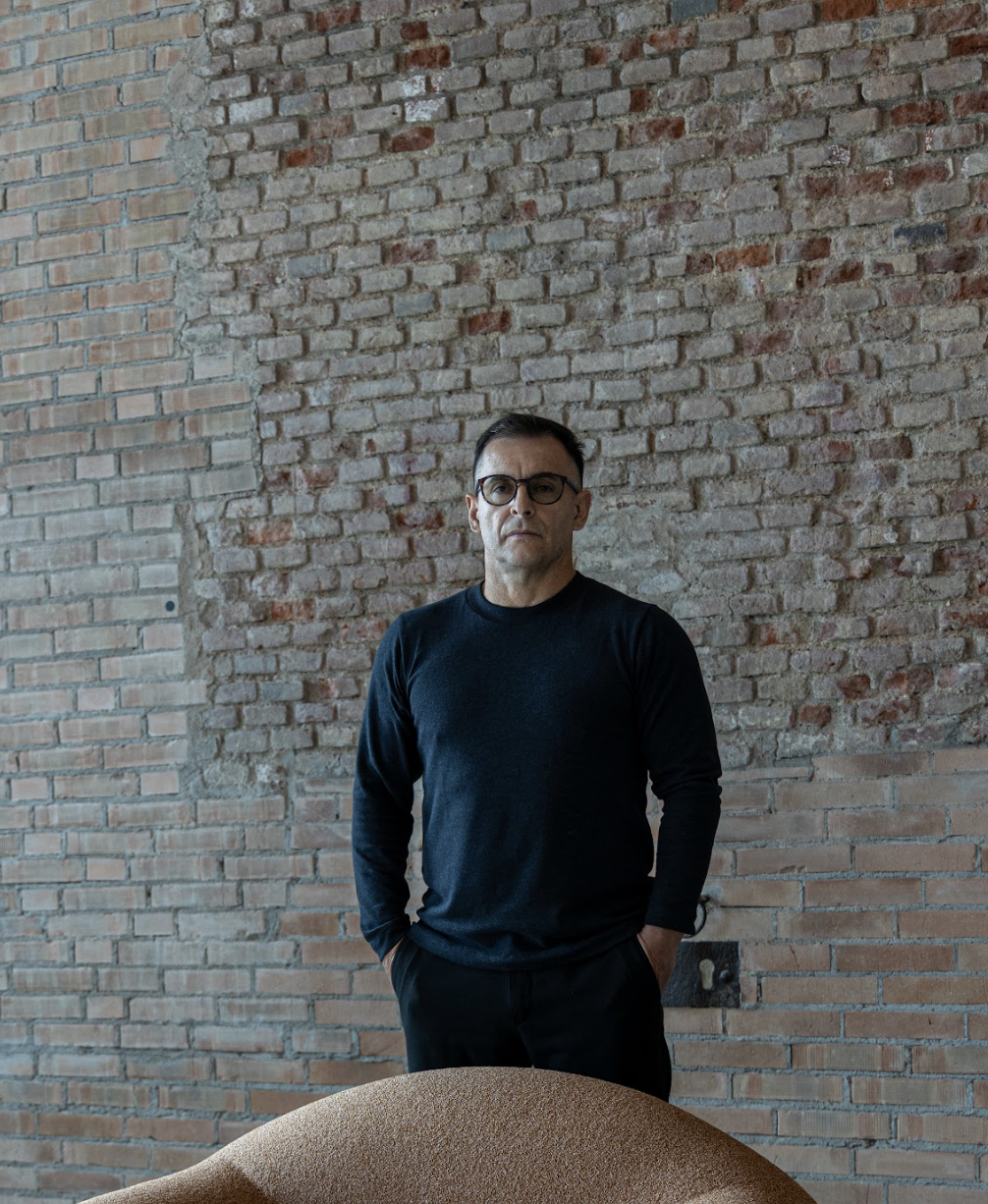
ADRIANA FORTUNATO + CATERINA FUGAMALLI
FIBRA research
NOLOOM
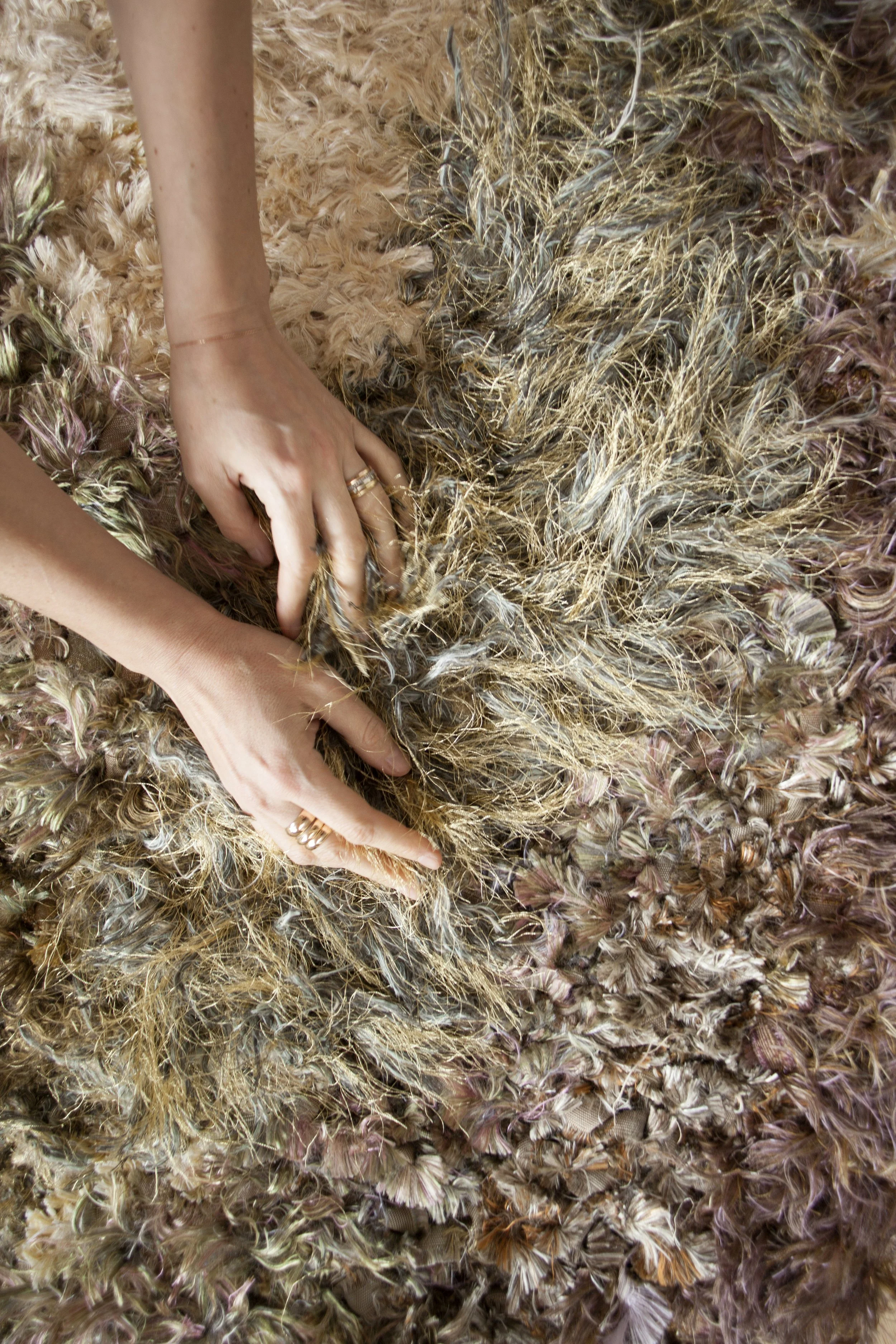
Adriana Fortunato and Caterina Fumagalli present for Piloto Milano a fiber art work, an expression of the free textile design path they create together. Developed without using a loom, the work emerges from the four-handed dialogue between the two artists, expressed through a spontaneous and material language. Every knot, tear and attempt to reinterpret traditional techniques such as knitting and embroidery makes their research legible: a passionate experimentation that transforms the slow gestures of weaving into a vibrant dance. The result is an intense work capable of evoking an archaic and primordial imaginary, where freehand weaving becomes both form and narrative.
NOLOOM Tapestry
Silk, linen, wool and cotton embroidery handmade
100 × 250 cm
€22.000
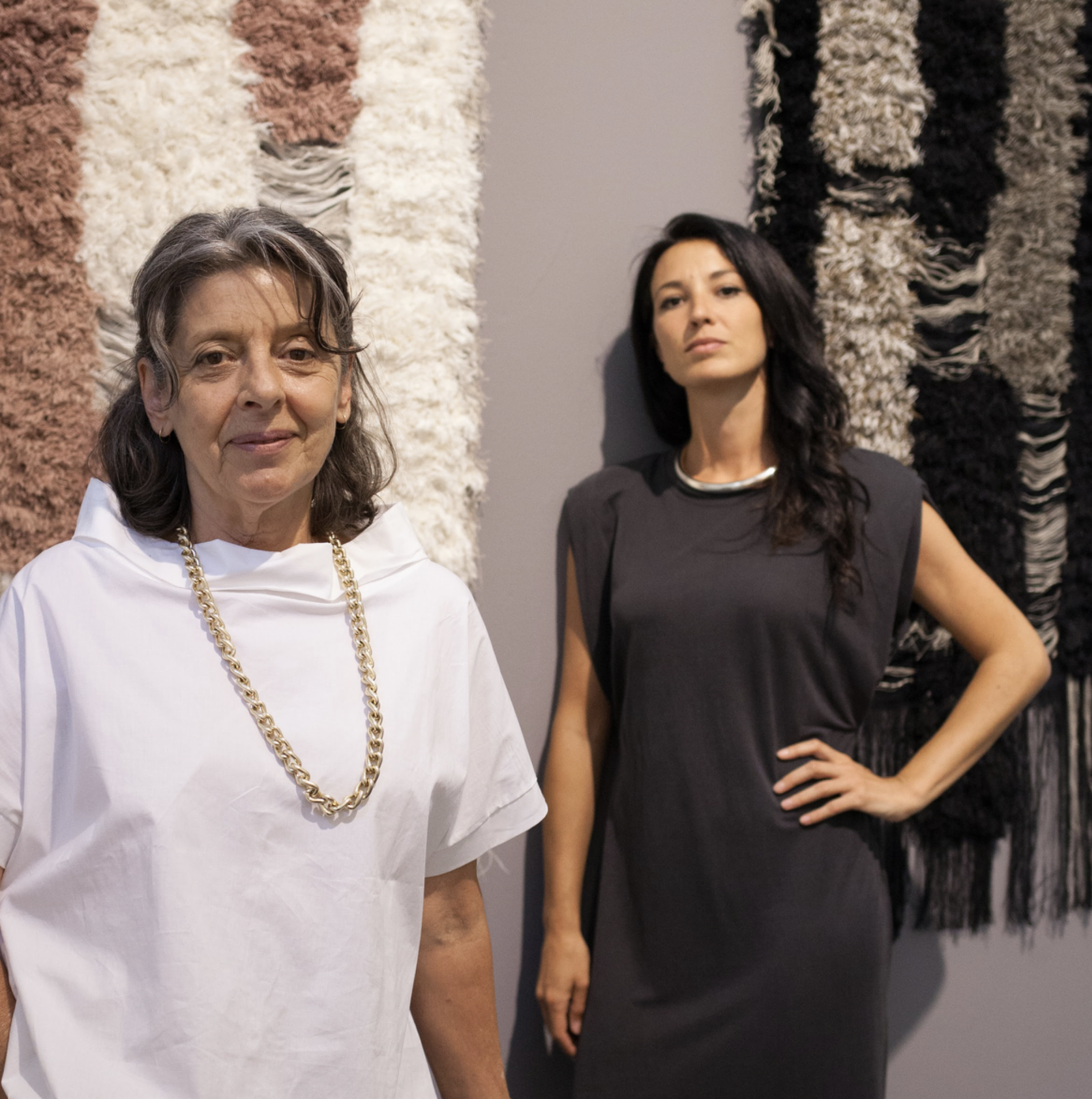
Since 2019, Adriana Fortunato and Caterina Fumagalli have been developing a project of research and experimentation on textile matter. Silk, linen, wool and cotton — materials that have historically defined the excellence of Italian textile production — become the core of an artistic practice carried out without using a loom, within a free, physical and material-driven process. The works reflect on women's labor as a space of memory and cultural transmission. The project has been presented in exhibitions in Italy, Switzerland and Brazil, and featured on international platforms such as Artnet, Artemest and Arte Laguna World.
@_fibra.research fibra.ricerca@gmail.com
JULIANA PIPPI
FOR UNILUX
LINEA IN MOVIMENTO
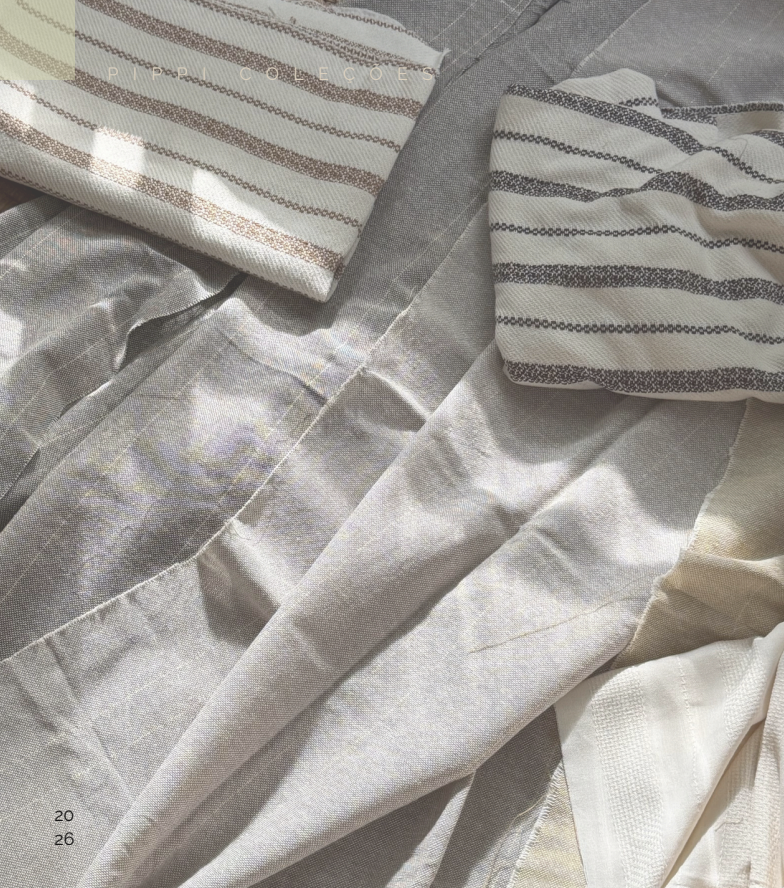
inspired by tailoring and the quiet elegance of the Italian tradition, where rigor, proportion, and finishing define the quality of design. The collection takes shape as curtains conceived as light architecture, in constant dialogue with light and space.
The fabrics were developed exclusively for the collection, with careful attention to materiality, texture, and long-term performance, incorporating responsible processes and a considered approach to sustainability. Every detail reflects a commitment to durability, precision, and sensibility—a design that organizes space and accompanies everyday living with ease.
Architect & Designer
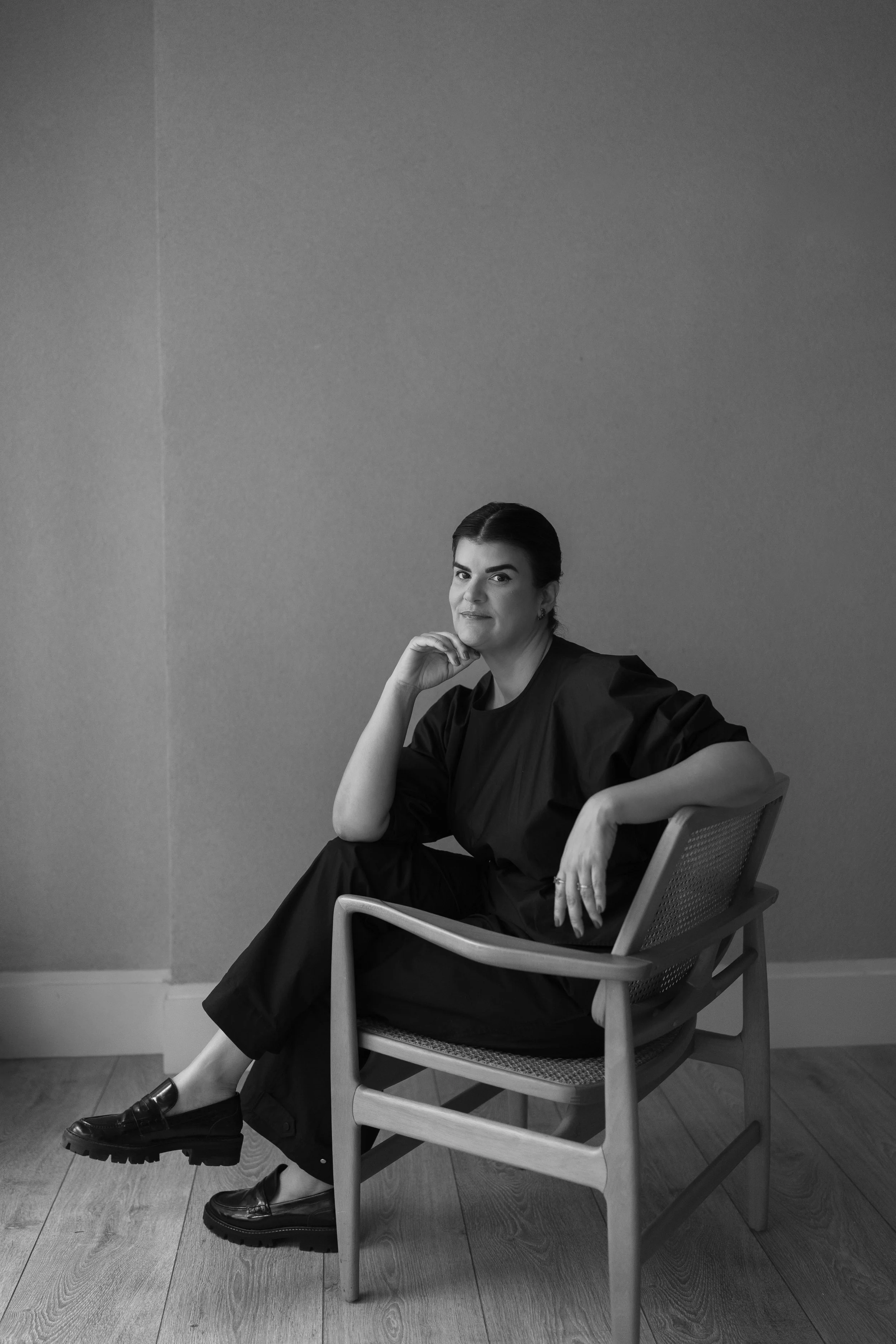
Renowned for developing projects with a strong identity, Juliana Pippi celebrates culture, craftsmanship and Brazilian DNA. As the Creative Director of her signature brand, PIPPI, and other major industries in Brazil, she has been recognized by World Design Rankings as one of the 12 leading Brazilian figures in architecture and design. Originally from Santa Catarina, the architect and urban planner stands out in both national and international markets.
Unilux
For nearly three decades, Unilux has created solutions that connect architecture, light, and space—evolving from functional products into a design- and performance-driven portfolio that shapes comfort, privacy, and the experience of living.
With a modular approach and a strong retail presence across Brazil, the brand takes a new step in 2026 by vertically integrating fabric curtains, launching in Milan (Piloto Milano) with an inaugural textile line by architect Juliana Pippi—conceived as an architectural element in dialogue with light and space, and developed with a commitment to responsible, long-lasting production.
LEONARDO ZANATTA
FOR MINITH + VEDAC
UIARA LAMPS
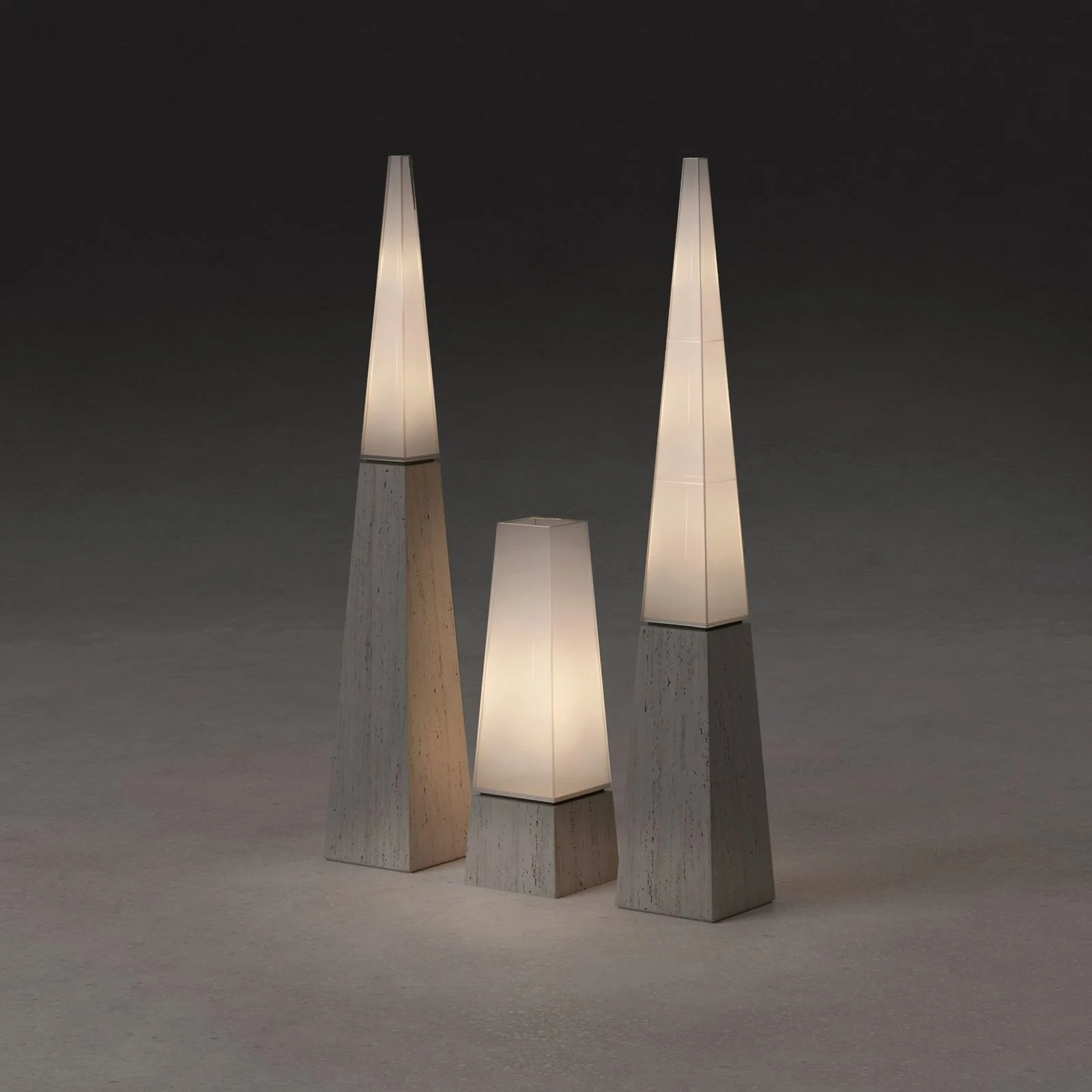
Uiara is an Amazonian river spirit, often likened to a mermaid, embodying the seductive and perilous forces of nature.
Conceived as a limited collectible design piece, the Uiara lighting triptych by Leonardo Zanatta translates this myth into a sculptural composition of light. Developed in collaboration with VEDAC, the works are crafted from reclaimed fragments of sustainably managed Amazonian timber, hand-assembled by local artisans.
In its stone iteration, produced with Minith, discarded quarry remnants are reclaimed through an upcycling process and transformed into elements of refined expressive value. Each piece is part of a strictly limited edition, situating the work at the intersection of design, art, and material research.
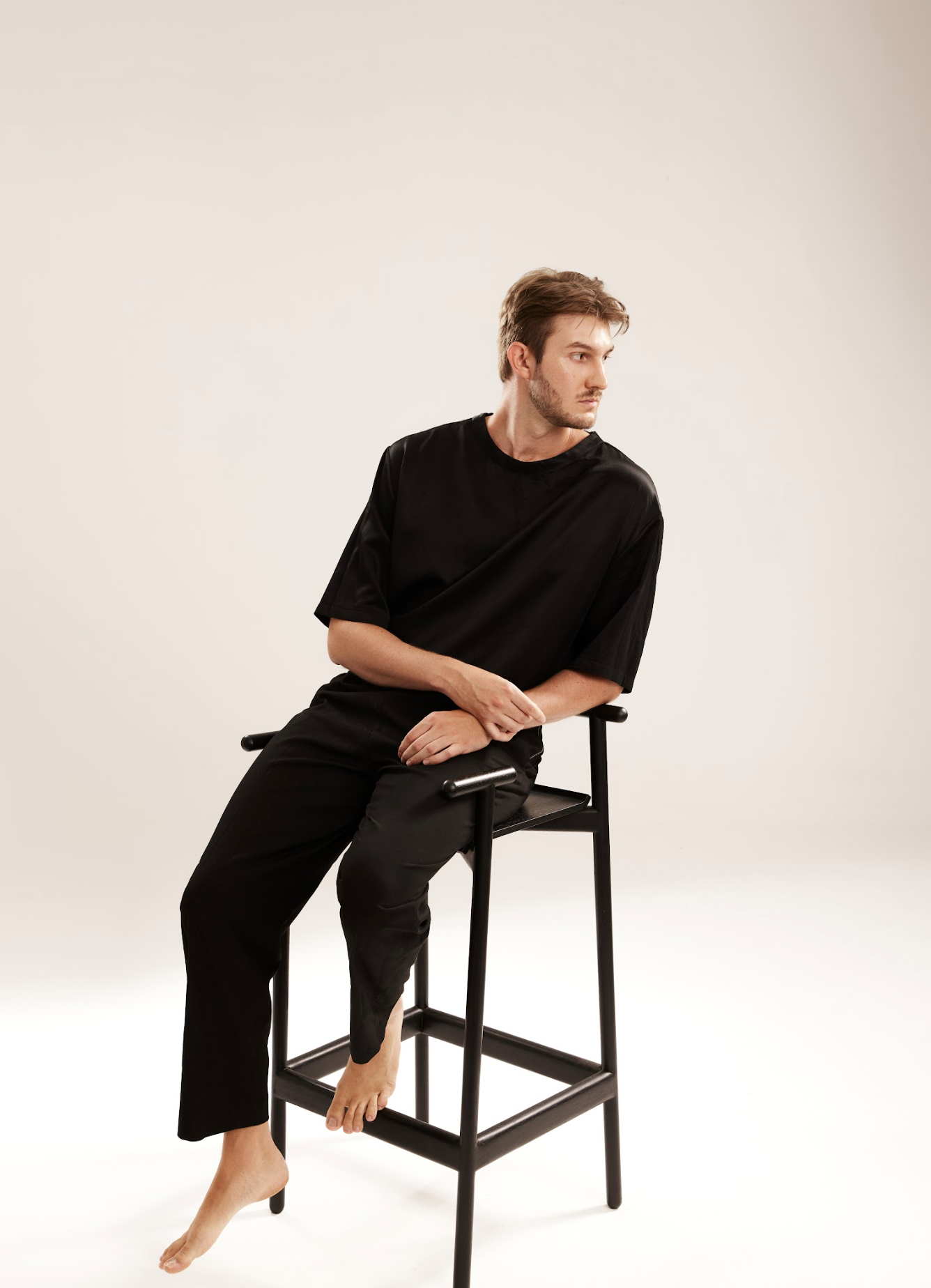
Leonardo Zanatta is a Brazilian architect and designer, founder of a namesake studio that does a multidisciplinary practice working across scales, from urbanism to collectible design. His work explores the relationships between territory, culture and materiality in the South American context. Graduated in 2018, he gained early recognition, becoming the youngest architect to receive five Saint-Gobain Sustainable Architecture Awards. He was also awarded at the Cool Abu Dhabi Challenge and named one of Forbes Brazil’s Under 30. His studio was elected one of the 50 most important Brazilian offices in 2025, and he also joined the AD100 list.
@_leonardozanatta
PUUPA
INTRA
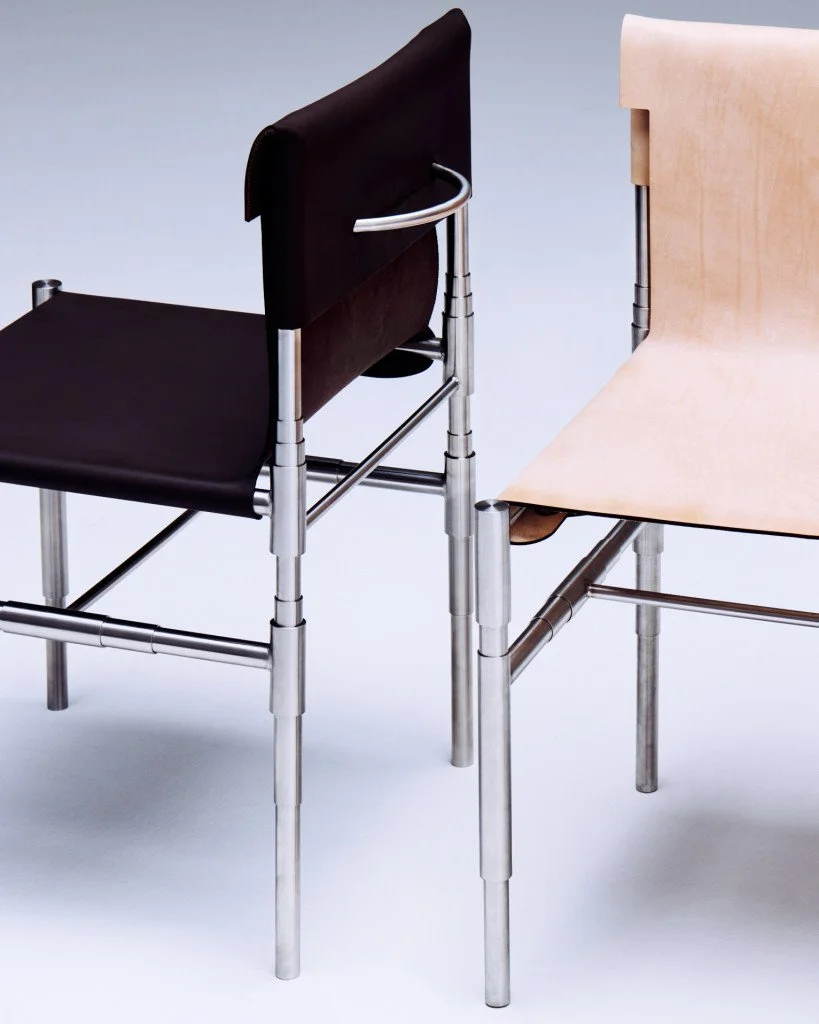
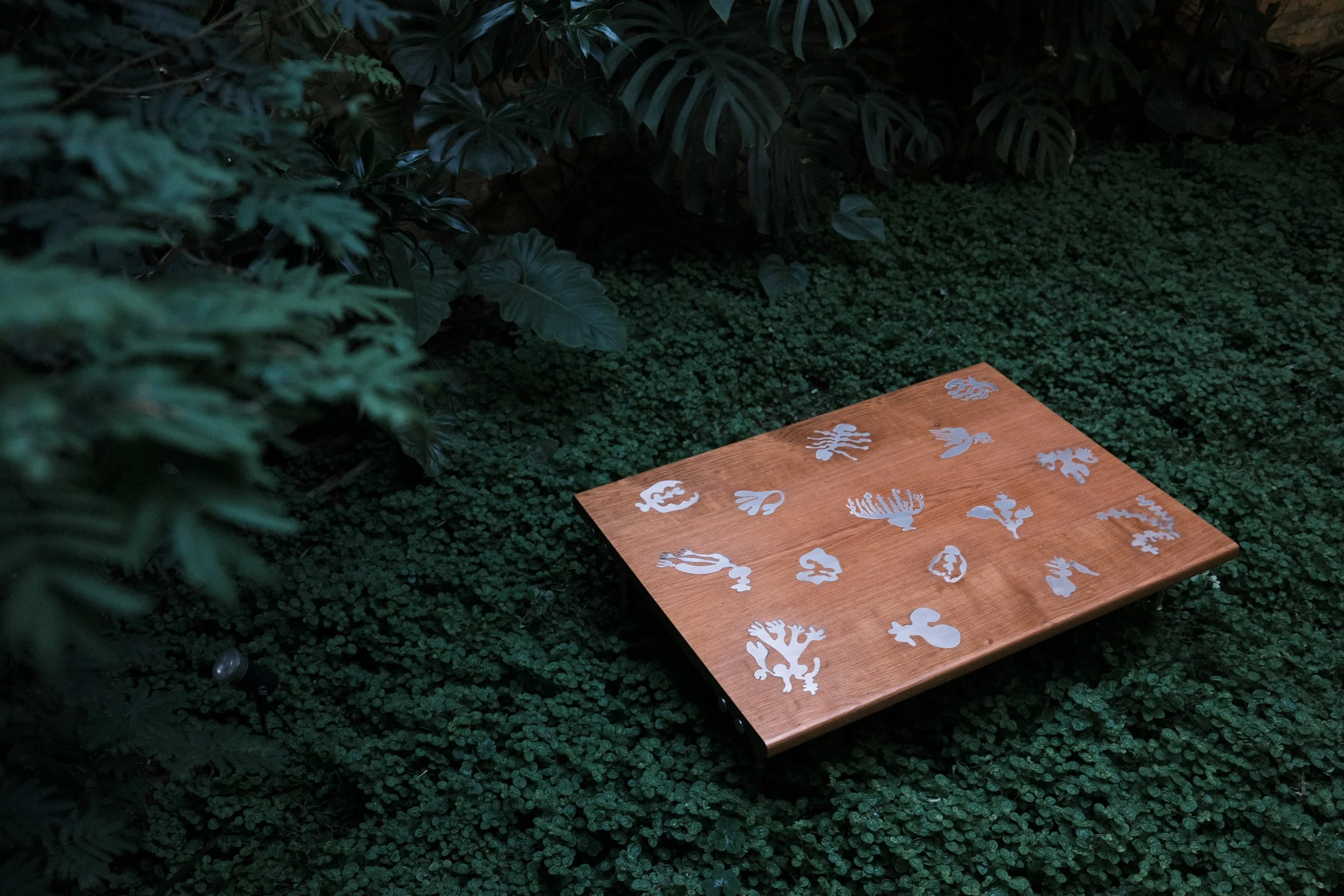
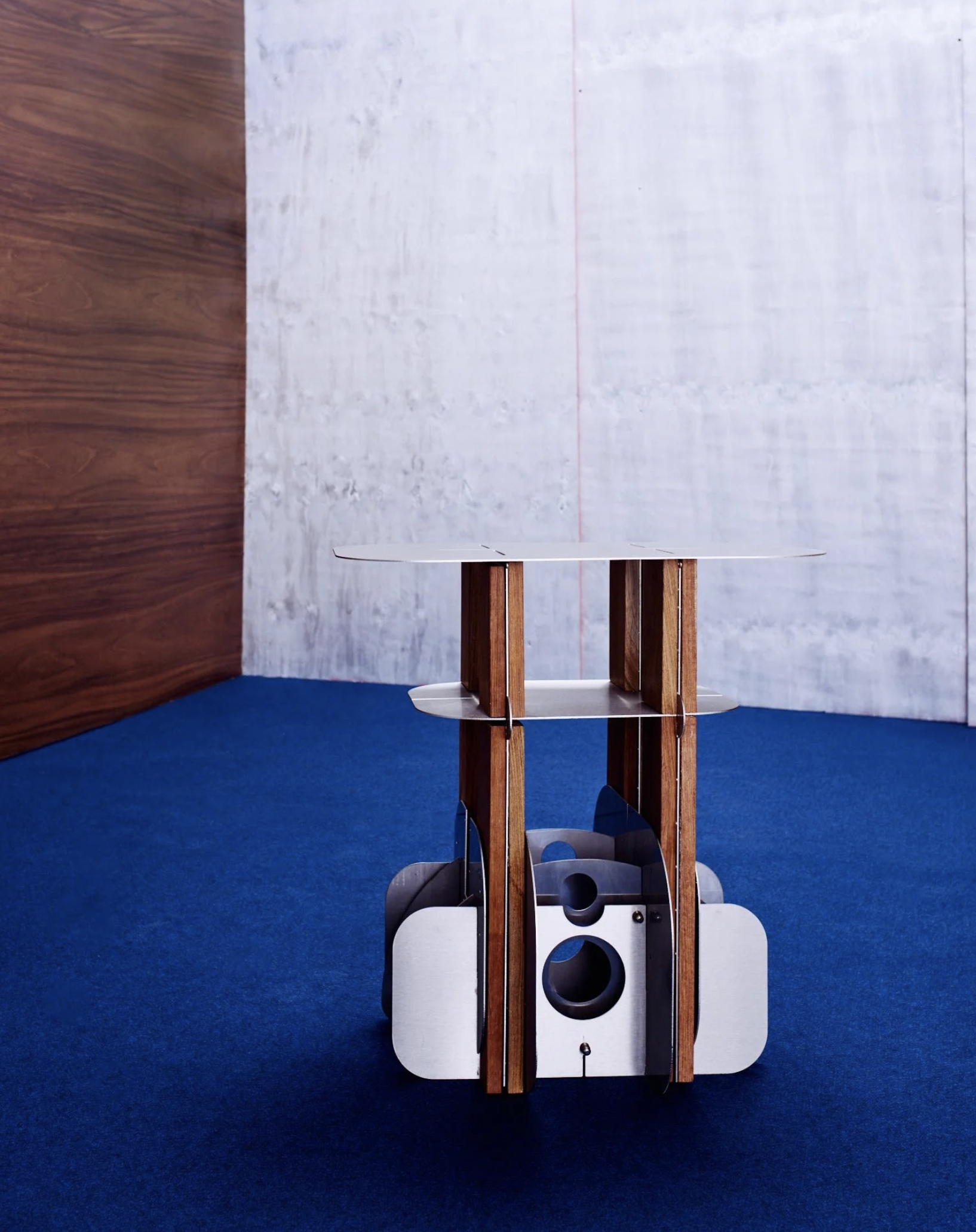
Puupa’s first collection emerges from a conceptual investigation into natural systems that operate beyond binary logic. Inspired by plant species capable of autonomous reproduction, the work explores structures that integrate multiple functions within a single body, translating this principle into design. The pieces adopt strategies of formal hybridization, overlapping founding systems and material integration. Rather than separating function and form, each object is conceived as an active element within space. The collection includes a low table, chair and floor lamp. The table incorporates biomorphic inlays into its surface, combining organic and anatomical references; the chair, composed of tubular modules, creates a sense of movement through repetition and variation; the lamp explores light as structure, with precise cuts shaping a metallic surface that controls diffusion and reflection. Made of wood, stainless steel and metal, the pieces articulate resistance, balance and perceptual variation.
Monoecia Table
Wood and stainless steel
41 × 110 × 75 cm
€4.500
Whole Alone Chair
Stainless steel and leather
45 × 45 × 75 cm
€ 1.290
Inner Fruit Floor Lamp
Wood and stainless steel
175 × 60 × 50 cm
€3.900
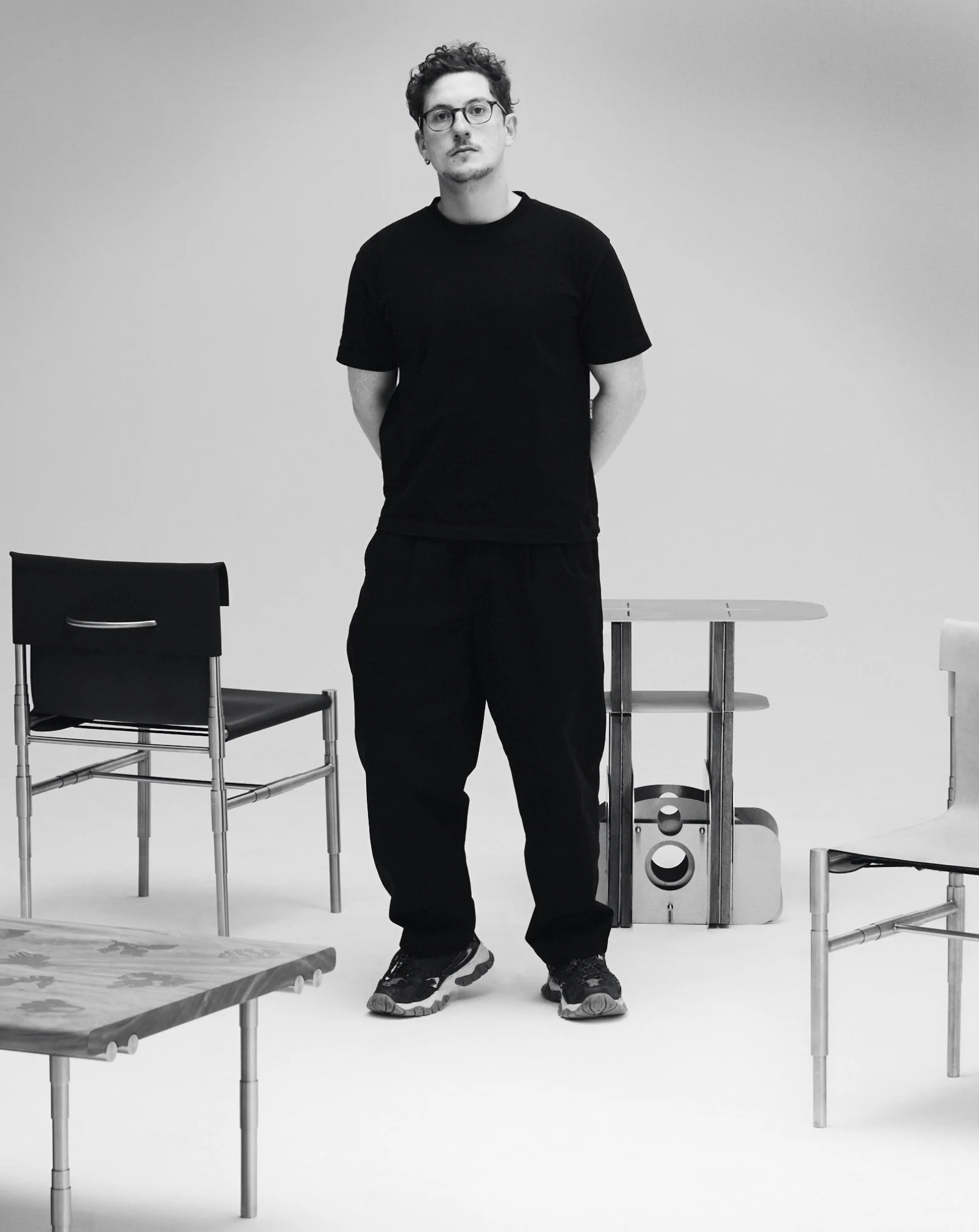
Luccas Iatauro is a Brazilian designer graduated in Visual Arts, whose practice investigates the relationship between form, material and construction systems. Working through a multidisciplinary approach, he integrates principles from design, art and architecture into a research-driven process. In 2025, he founded Puupa, a studio dedicated to the development of contemporary furniture through structural, material and formal experimentation. The name, derived from the Latin term for “transformation”, reflects the studio’s approach: objects conceived as evolving systems between idea, prototype and final result. His work is grounded in material research, precision of joints and spatial composition, developing pieces that operate between functional design and architectural presence.
MANECO QUINDERE
TURI LAMP
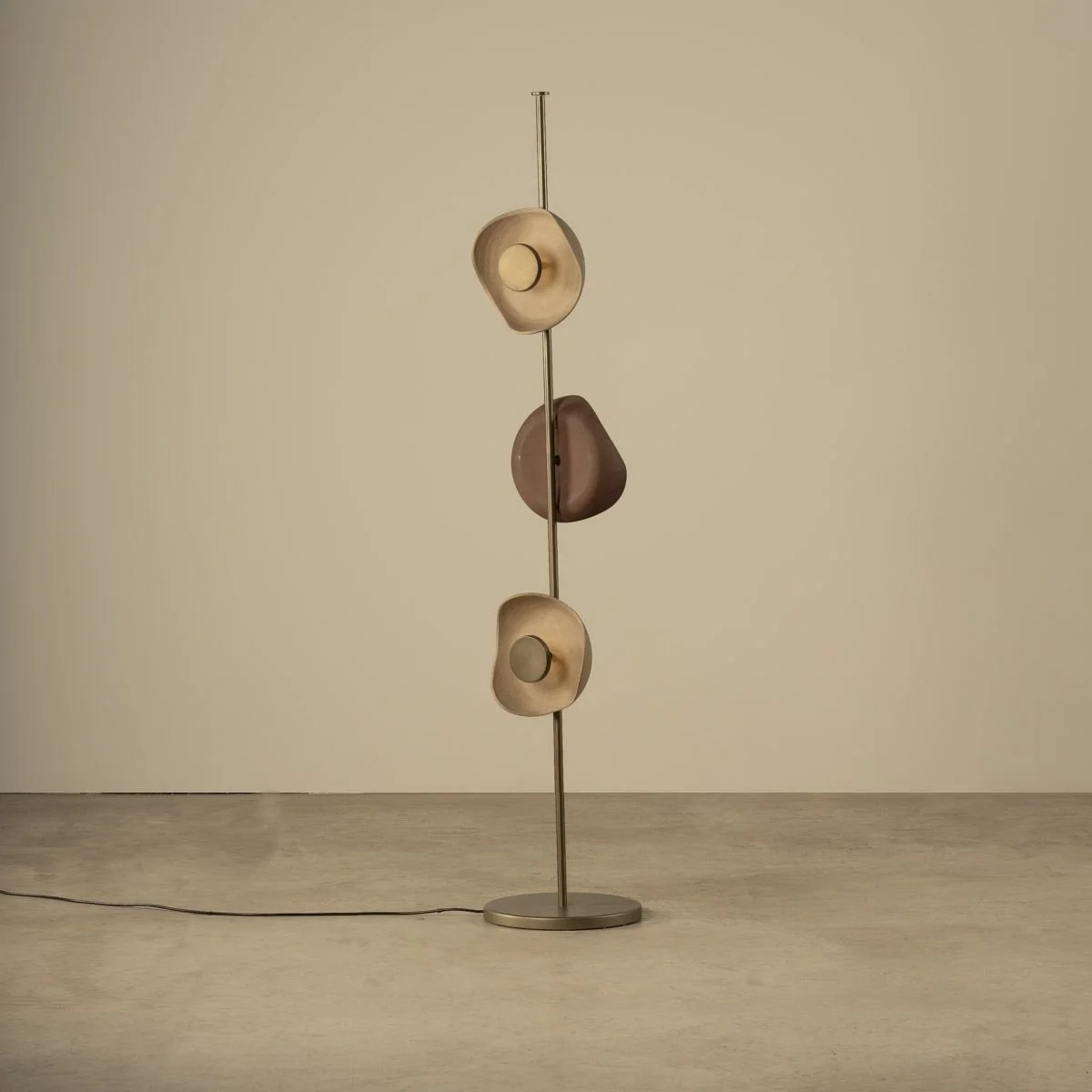
Turi is a term of Tupi-Guarani origin that refers to a torch, a flame or fire — often associated with ancestral knowledge and the use of resinous woods for illumination. The name gives shape to a luminaire in which ceramic and aged brass work together to evoke that same ancestral fire. The ceramic form, when receiving indirect light, produces the sensation of a living flame. The aged brass base echoes the warm tones of wood scorced by fire. Light here is not a function, but a memory.
Turi Floor Lamp
Ceramic and metal
152 × 25 × 25 cm
€3.900
Maneco Quinderé is a Brazilian lighting designer who began his career in theatre, an experience that established his long-standing relationship with the performing arts. Combining technical precision with intuition, he has created lighting for theatre, concerts, ballet, opera, fashion and exhibitions, collaborating with architects such as Arthur Casas and Marcelo Rosenbaum. Alongside scenographic work, he develops luminaires and objects using materials such as brass, marble and steel, with indirect light as a central element. Over more than three decades, he has received major awards including the Shell, Mambembe, Sharp and Molière prizes.
@maneco_quindere
MATI MILLET
THE FLIGHT OF THE
THE RAZORBILL
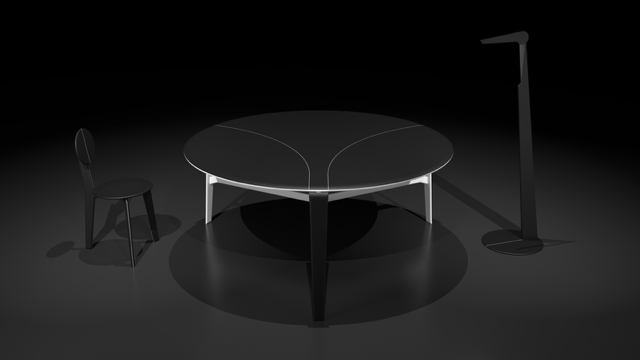
The Flight of the Razorbill is an outdoor collection rooted in biomimicry — the practice of learning from nature’s intelligence. Inspired by the razorbill, a North Atlantic bird shaped by its surroundings, such as wind and sea, the pieces reflect a logic of endurance, precision and essential form. Each line serves a purpose, each curve responds to its environment. Comprising chair, table and lamp, the collection is defined by restraint. Surfaces in Fenix, an advanced material with ultra-matte finish and self-healing properties, absorb light and resist time, echoing the bird’s capacity of adaptation. There is no ornament, only proportion, weight and balance. Rather than imitating nature, the work interprets it. The result is a series of objects that engage with what's next to them, embracing exposure and continuity while enduring both physically and symbolically.
Torda Chair
Fenix
42 × 50 × 81 cm
€1.500
Ecliptica Table
Fenix
165 × 165 × 73cm
€ 9.000
Aurora Lamp
Metal structure, rubber point and fenix
40 × 40 × 140 cm
€1.000

Mati Millet is an industrial designer and entrepreneur, founder of Dwell, a leading Argentine studio specializing in high-end kitchens and bespoke cabinetry. Over the past decade, he has positioned the brand at the forefront of Latin America’s design landscape, combining precision engineering with artisanal production. Alongside his practice, he lectures at the University of Palermo, focusing on sustainable innovation and circular design. His studio collaborates with multiple architectural firms across residential, corporate and hospitality projects, delivering integrated solutions that balance aesthetics and performance. As Dwell expands internationally, Millet continues to expand Argentine design through a practice grounded in material research, craftsmanship and long-term relevance.
@matimillet carpiargentina.com
MAXIMILIANO CROVATO
UNTITLED
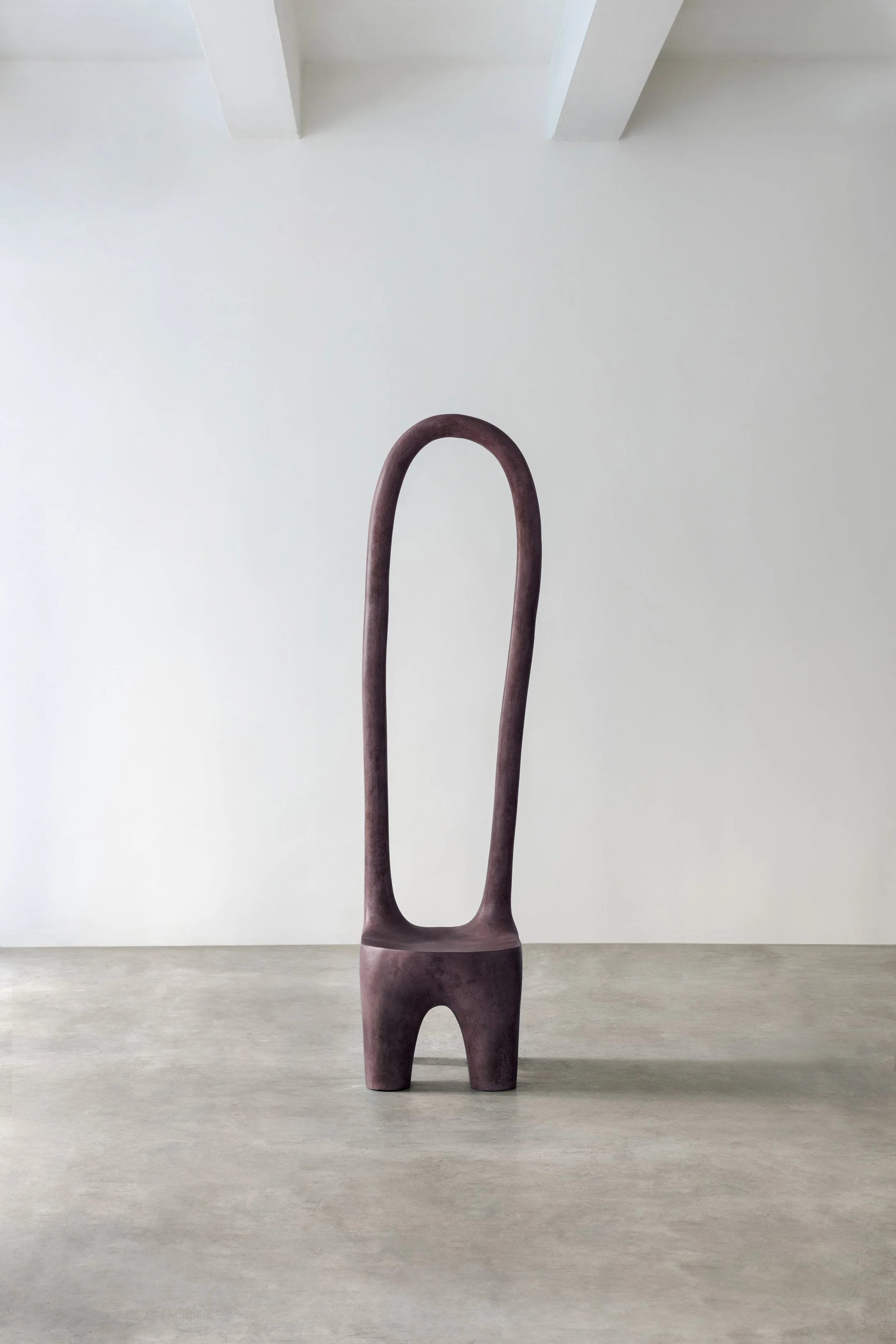
For the first time turning his gaze toward his roots, Crovato presents a unique piece in cast bronze with purple patina finish — one of 18 available colors. The work draws inspiration from a traditional seat from the culture of Rio Grande do Sul, his local state, used at roadside stops and around open fires where meals are prepared.
The piece originated from a mold built with an iron structure, plaster gauze and modeled with acrylic paste and type-4 stone plaster — a process that bridges ancestral craft with the designer's experimental approach to form and material.
Torda Chair
Fenix
176 × 42 × 42 cm
€50.000
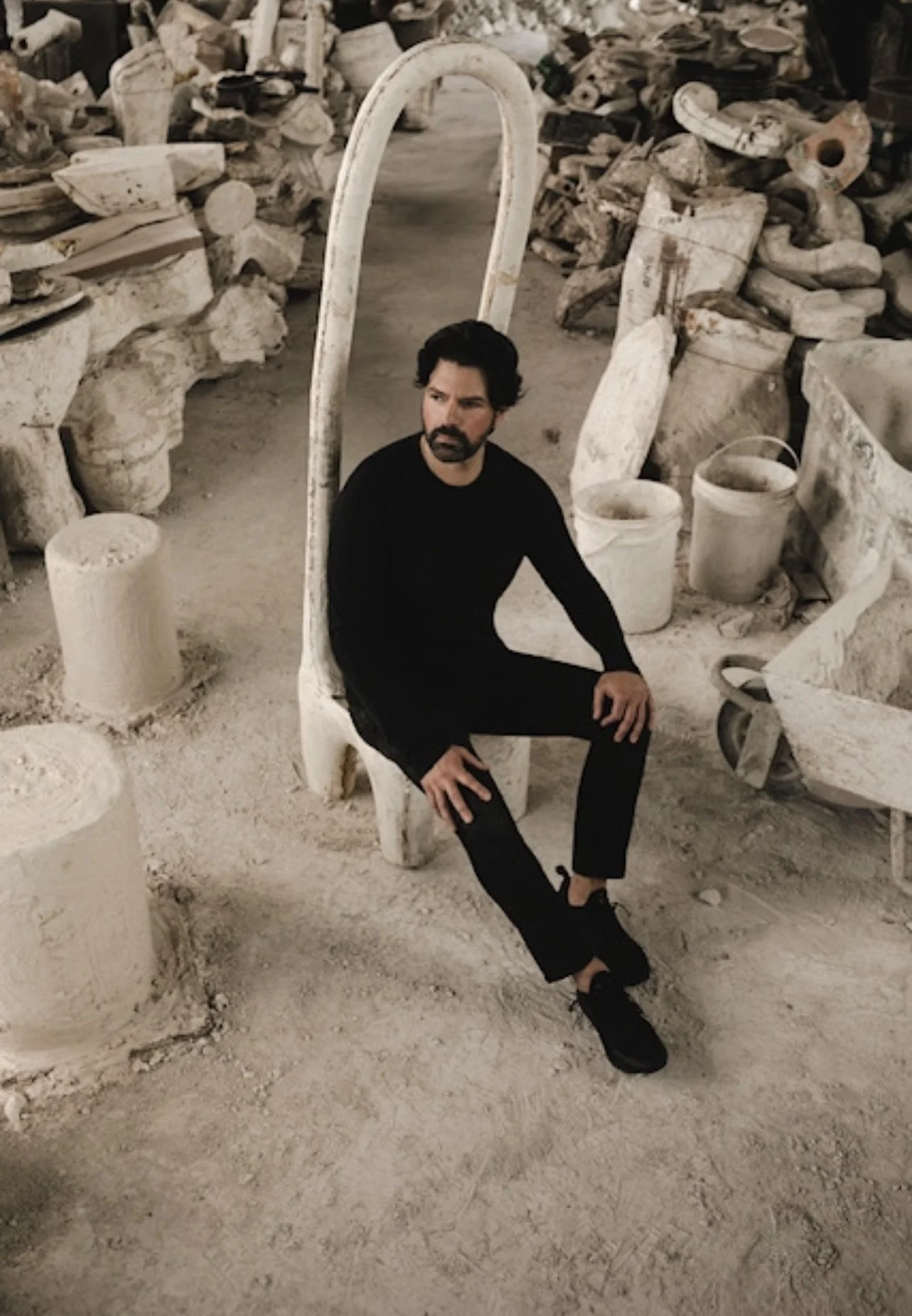
Born from the desire to turn art into objects for everyday life, the studio creates pieces designed to hold memory, affection, and a sense of permanence. Rooted in the purity of line, material, and form—embodied by the hexagon—each creation is meant to slip naturally into daily rituals and, over time, become part of the stories people live with and pass on.
Creative direction is led by Felipe Rezende, an architect trained at FAU Mackenzie. After more than a decade heading his own practice, he founded the brand as an extension of a family legacy shaped by architecture, engineering, and the arts.
The studio is strengthened by the critical collaboration of Thales Polis, an avid art collector whose international background and cultural breadth expand the studio’s references and sharpen the artistic and conceptual depth of every piece.
maxilimiliano.art @maximilianocrovato
MOBILIA PURA
TROPICAL LEGACY
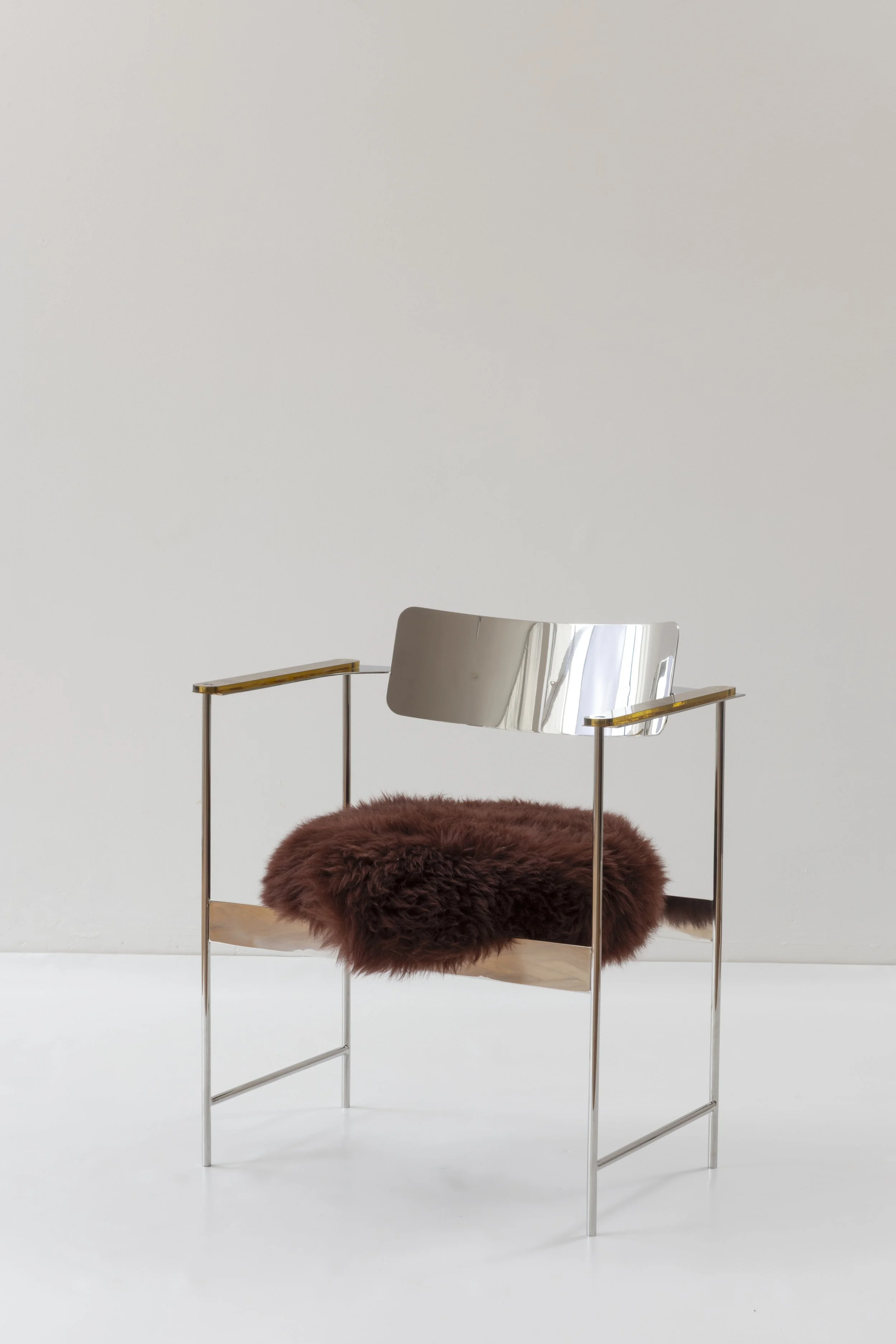
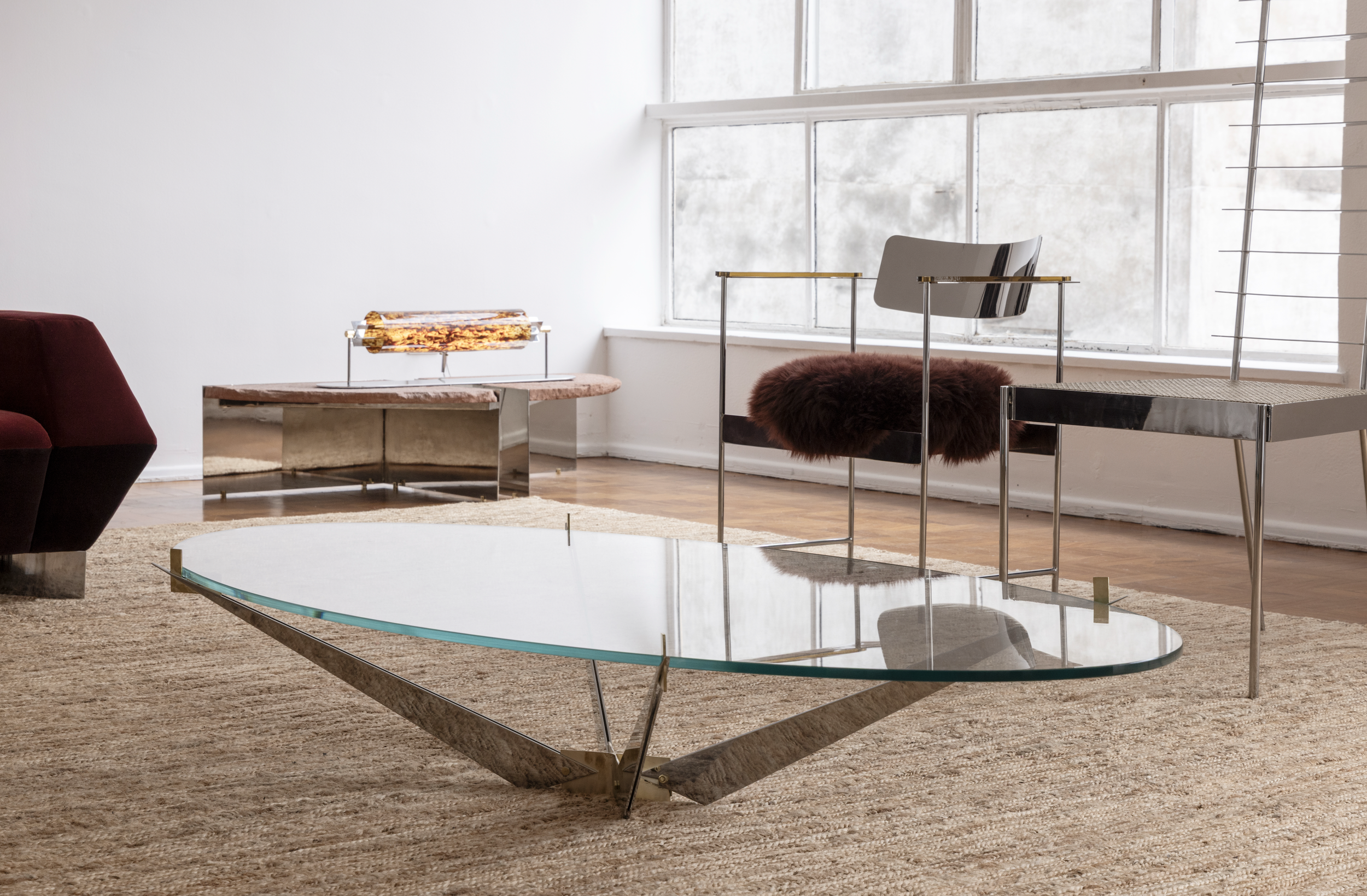
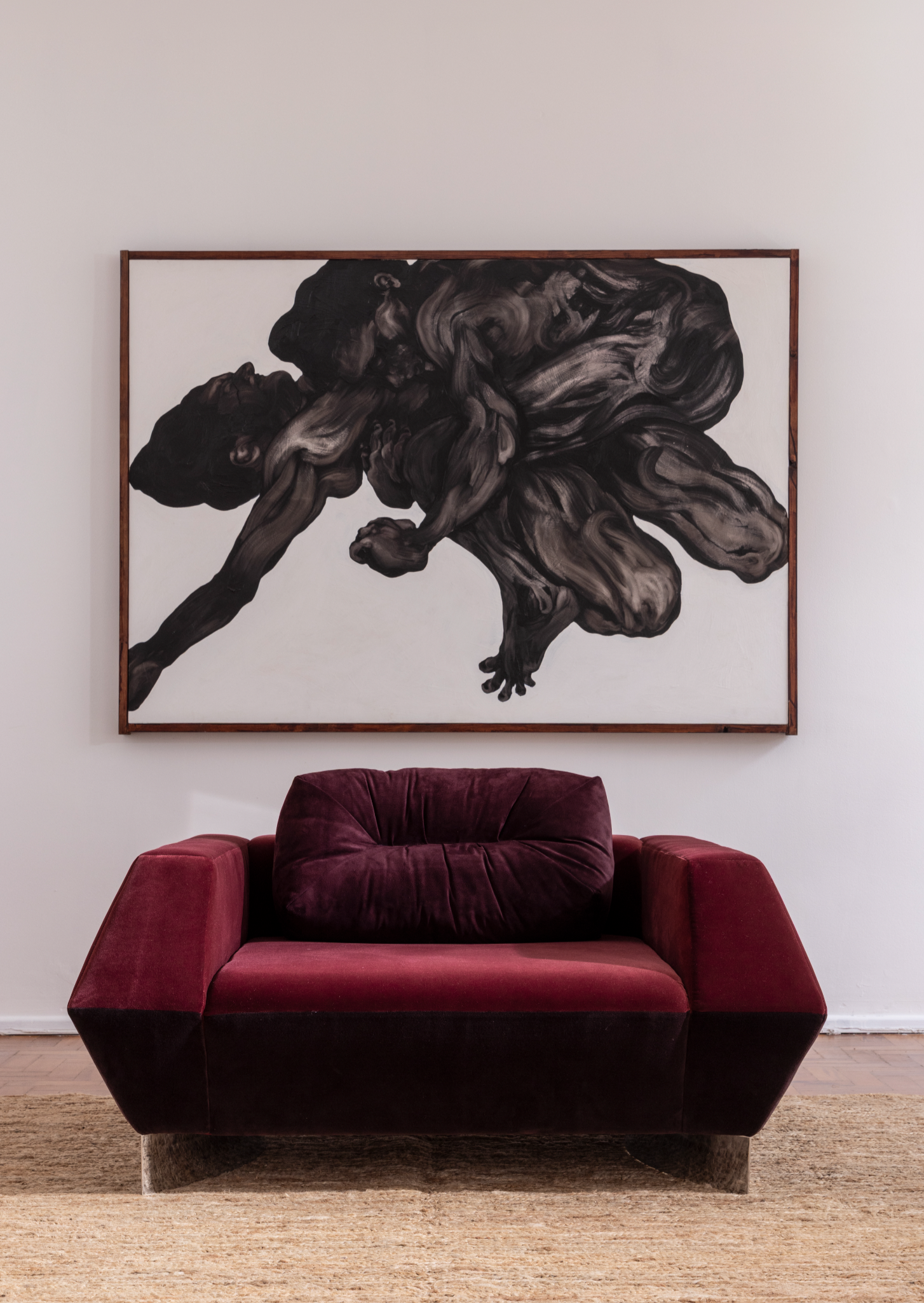
Mobília Puro builds its language from the hexagon — a geometry defined by balance, repetition and continuity. From this structure, the collection unfolds as a study of proportion, material and permanence, translating abstract principles into objects for everyday use.Presented in Milan, the selection includes Itamarati armchair, Bandeira lamp, Caparaó table and Paraibuna chair.
Each piece explores contrast: polished metal meets soft textures, transparency intersects with density and precise structures support compositions that oscillate between lightness and solidity. Stainless steel, brass, acrylic and glass are shaped with constructive rigor, resulting in pieces that balance function and sculptural presence. Rather than literal references, the works are anchored in a broader notion of territory. Their names evoke Brazilian landscapes and cultural landmarks, establishing a dialogue between origin and form. Across the collection, design emerges as a lasting gesture, showing objects can be conceived to carry memory and continuity over time.
Bandeira Lamp
Stainless steel, brass and plexiglass
87 × 18 × 18 cm
€2.000
Caparão Coffee Table
Stianless steel, brass and glass
42 × 50 × 81 cm
€2.350
Paraibuna Chair
Stainless steel, plexiglass and sheepskin
65 × 56 × 73 cm
€1.980
Itamarati Armchair
Stainless steel, bouclé and velvet fabric
122 × 105 × 72 cm
€4.560
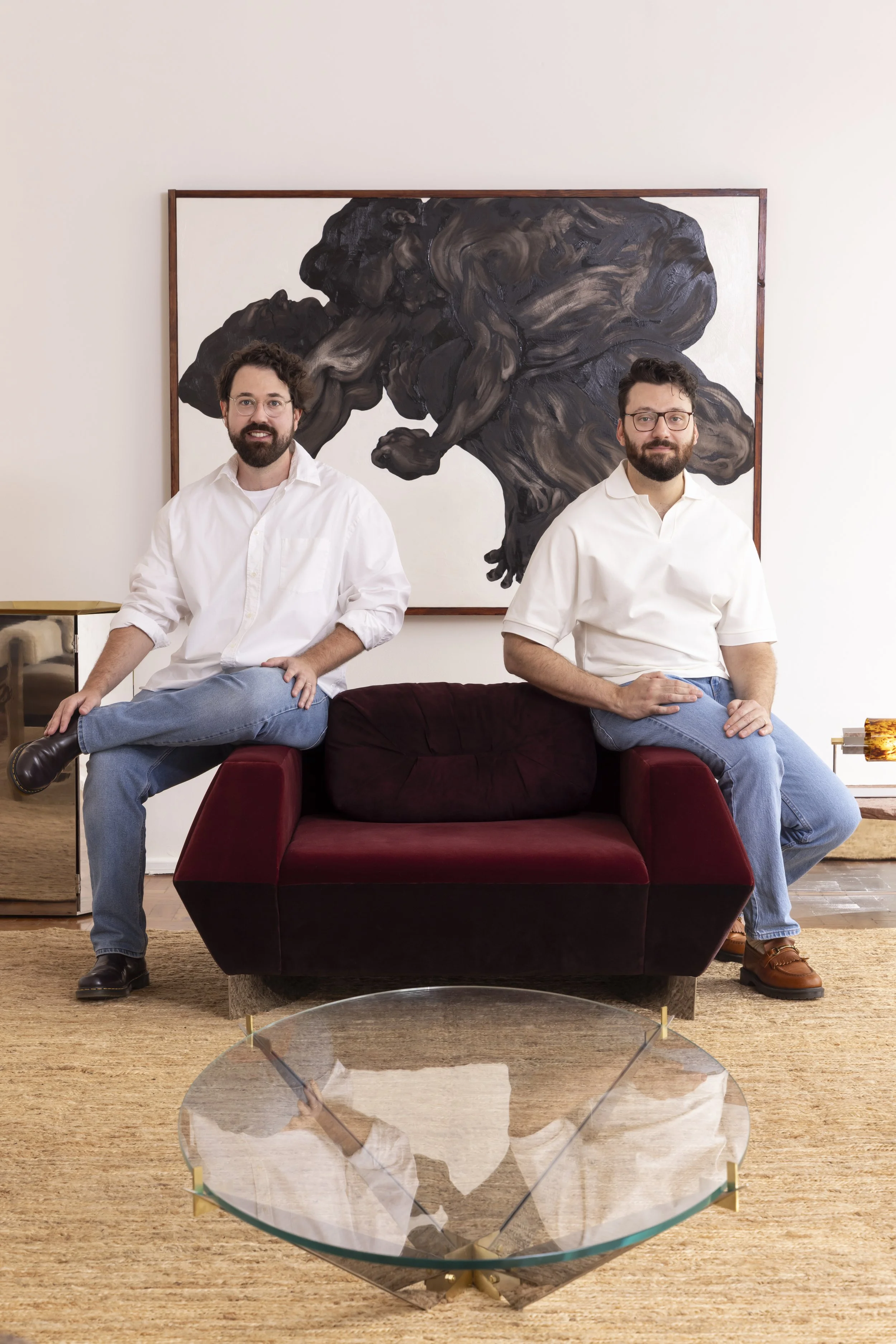
Mobília Puro is a Brazilian design studio founded in 2023 by architect Felipe Rezende. With a background in architecture and over a decade leading his own practice, Rezende established the brand as a way to translate his interest in structure, materiality and form into collectible design. Each piece is handmade by Brazilian artisans, combining precision and durability with a strong attention to detail. The studio’s work is guided by the idea of transforming art into objects that integrate daily life while retaining symbolic and emotional value. The project is developed in dialogue with Thales Polis, whose multidisciplinary perspective contributes to expanding the cultural and conceptual framework of the collection. Together, they position Mobília Puro at the intersection of design, art and memory.
OMAMA
BRUTA FLOR
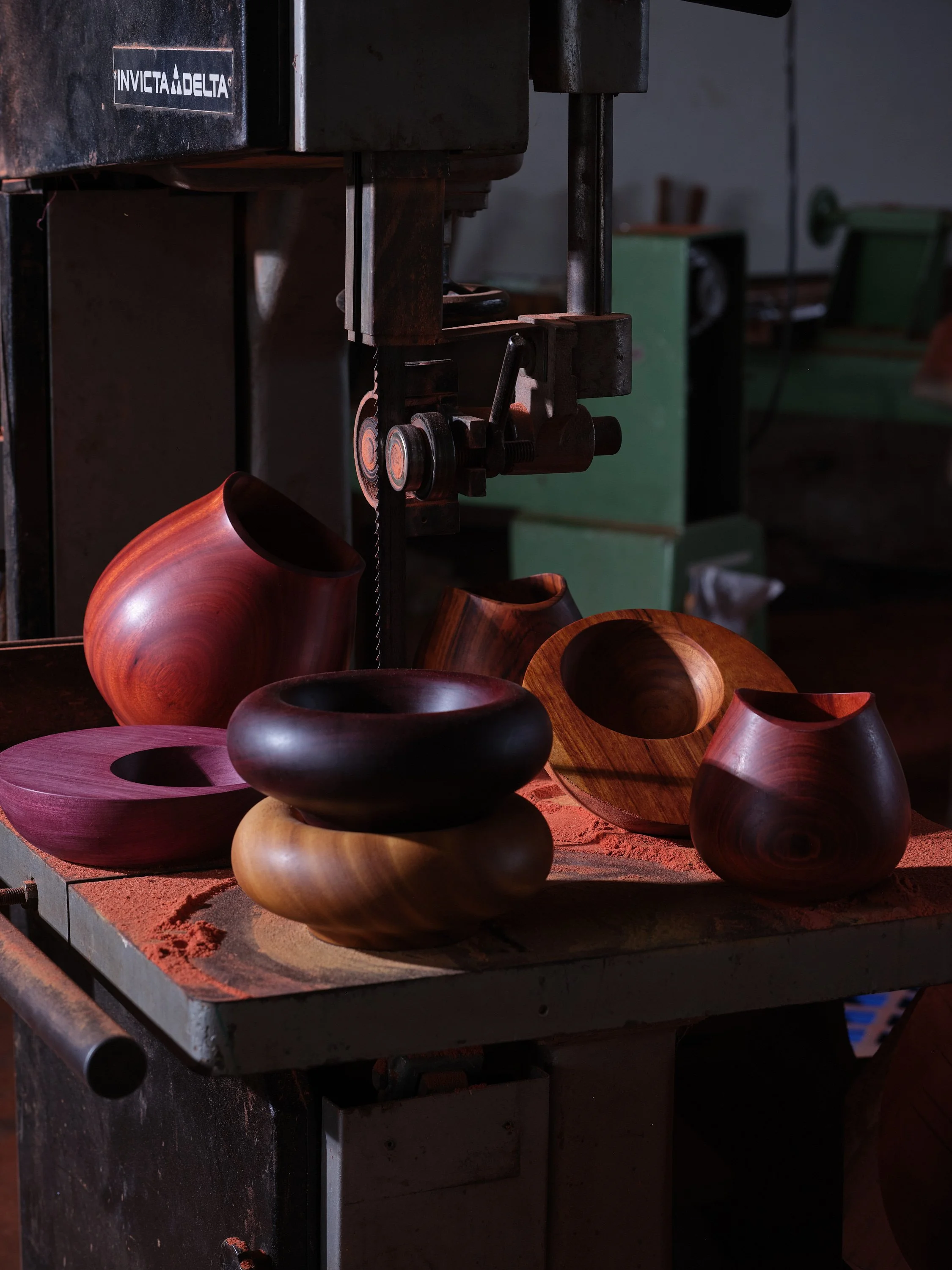
Bruta Flor is a collection of sixteen objects inspired by the organic intelligence of the rainforest. Each piece emerges from the wood itself, with its grain, density, and movement guiding the final form. The collection reflects a balance between the strength of raw material and a strong, sculptural presence, resulting in objects that move seamlessly between everyday function and expression.
Pricelist upon request
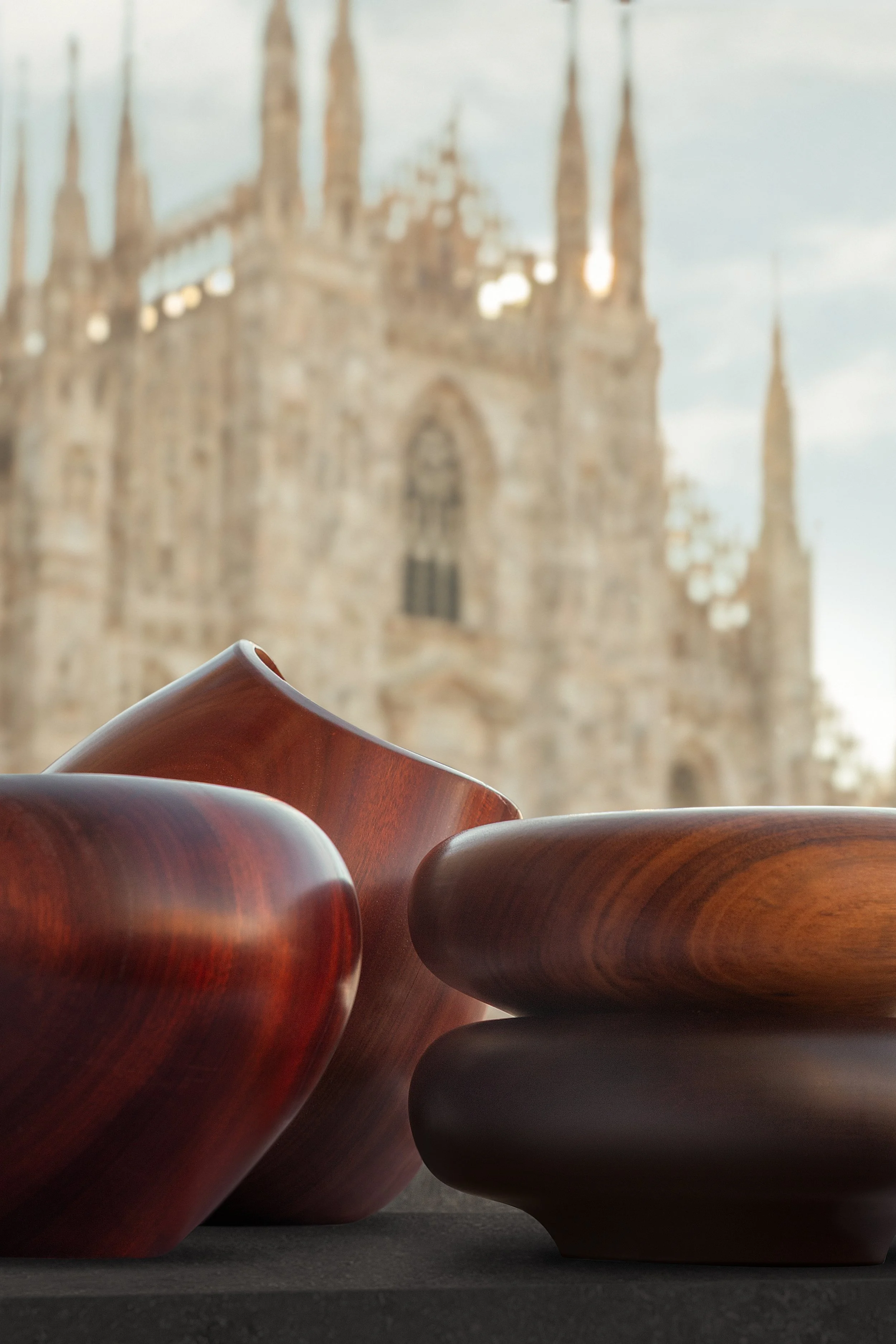
OMAMA is a Brazilian design brand born in the Amazon. Working with noble hardwoods sourced from Sustainable Forest Management Plans (PMFS), the brand transforms the living material of the forest into timeless objects shaped by human hands. At the heart of OMAMA’s work is the belief that design can generate prosperity while keeping the forest standing. Alongside its production, the brand maintains an internal program dedicated to training artisans from Amazonian communities, strengthening local skills and creating dignified work. Each piece reflects the singularity of the material and the gesture of the maker, establishing a dialogue between contemporary design and the ancestral knowledge of the Amazon forest.
omama.design @omama.design
RICHARD DANIEL
FOR TIRONI
SAUDAGGI
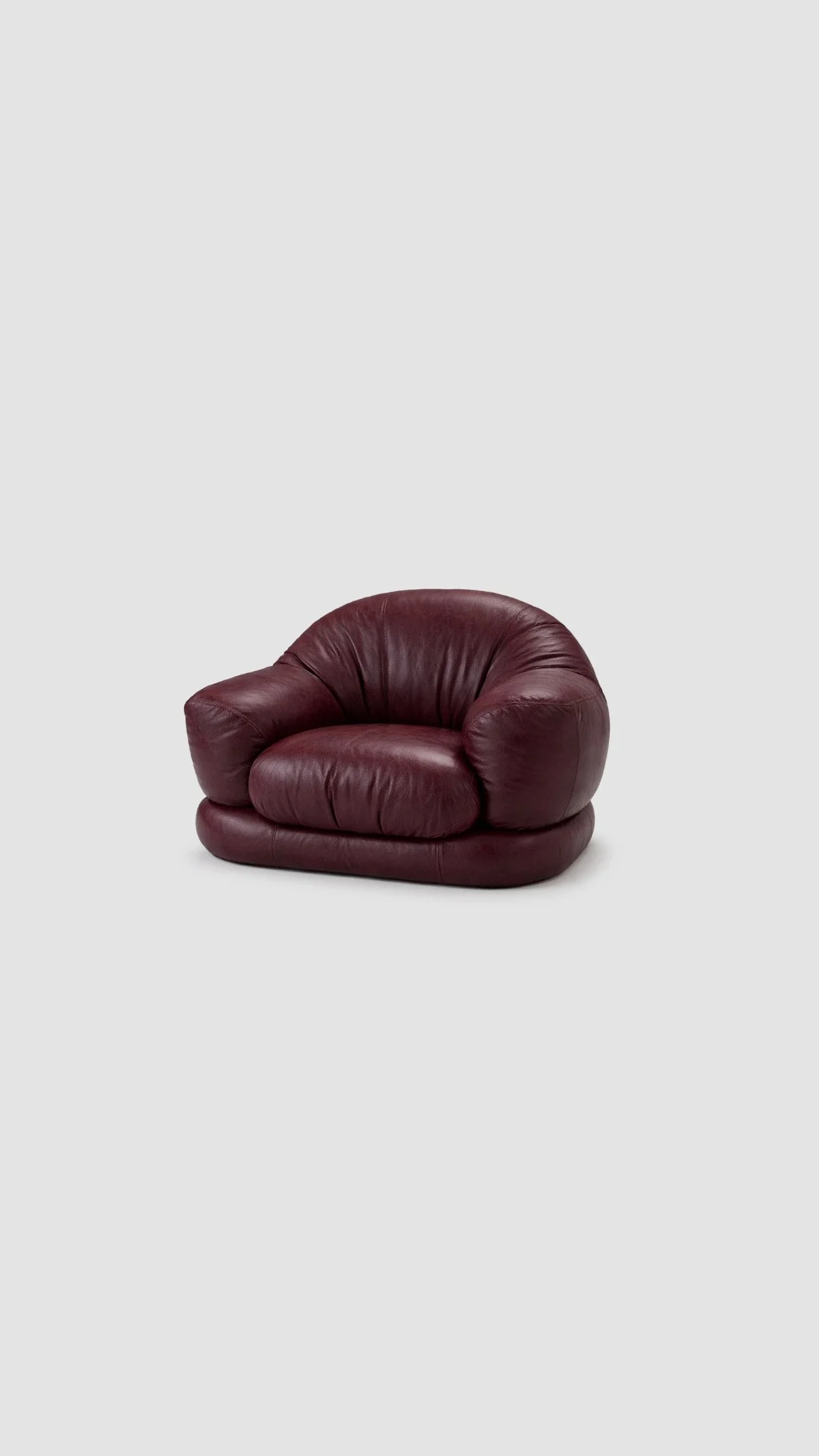

Saudaggi is a feeling capable of crossing oceans. The armchair is born from the encounter between Brazil and Italy — two cultures united by affection, organic aesthetics and the art of hospitality. The name reframes “saudade” (an untranslatable Portuguese word that means deep longing for something or someone loved and gone) with an Italian touch. The curves welcome, the gesture invites, the comfort wraps around you and makes you want to stay. Built with a wooden structure and high-comfort foam upholstery, the piece delivers ergonomics and an enveloping feel. The line allows for modular compositions — poufs, modules and sofa versions — expanding its possibilities across residential and corporate settings.
Saudaggi Armchair
Upholstery and leather
112 × 95 × 90 cm
€1.300
Born in Jaraguá do Sul (Santa Catarina, Brazil), Richard Daniel began his journey in architecture and design in his home country in 2002. In 2006, he moved to Italy, where he lived in Peschiera del Garda and studied Furniture and Interior Design at the Istituto Europeo di Design in Verona. Returning to Brazil in 2008, he took over the design and product development department at Tironi Estofados. His work draws from organic and natural architectural elements, exploring movement, lightness and comfort.
tironierstofados.com.br @tironiestofados
RONALD SASSON
MAUNA KILI ARMCHAIRS

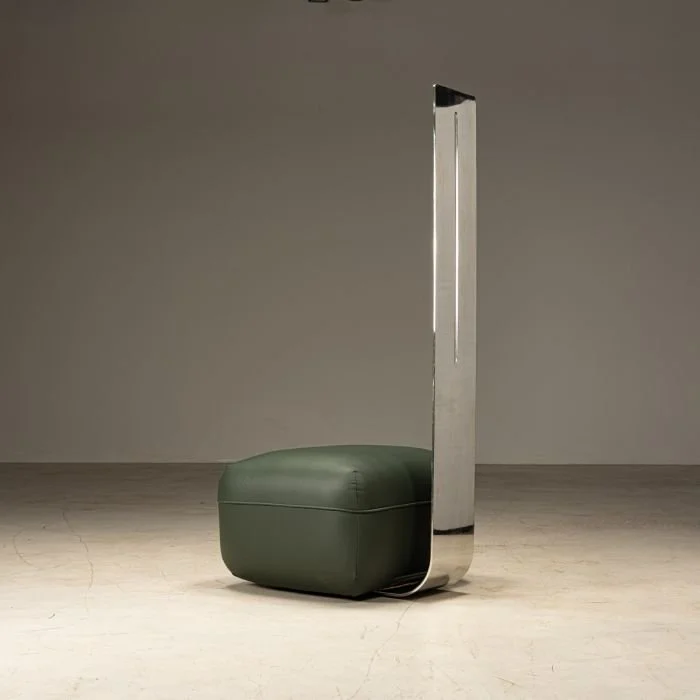
Kili and Mauna armchairs. With high backrests and stainless steel frames, these pieces translate the strength of simplicity into angular, vertical lines, imposing themselves by their height. Named after mountains around the world, they carry the grandeur and grandeur of nature. Limited series, with only 3 units of each model, created by designer Ronald Sasson for Herança Cultural.
Mauna Armchair
Stainless Steel
54 × 52 × 130 cm
€22.000
Kili Armchair
Stainless Steel
68 × 64 × 69 cm
€22.000
Ronald Sasson is a Brazilian designer with a background in fine arts. He began his career exhibiting his work in salons all around Brazil and globally. This artistic foundation characterizes his approach to design, combining expressive sensitivity with a strong emphasis on functionality. After spending time in Europe and the Middle East, he incorporated influences from Nordic simplicity and Mediterranean color into his work. Since the early 2000s, he has focused on furniture design, developing pieces that balance form and use while continuously exploring materials and production techniques.
@ronald_sasson
PEDRO AVILA
RAIO SERIES
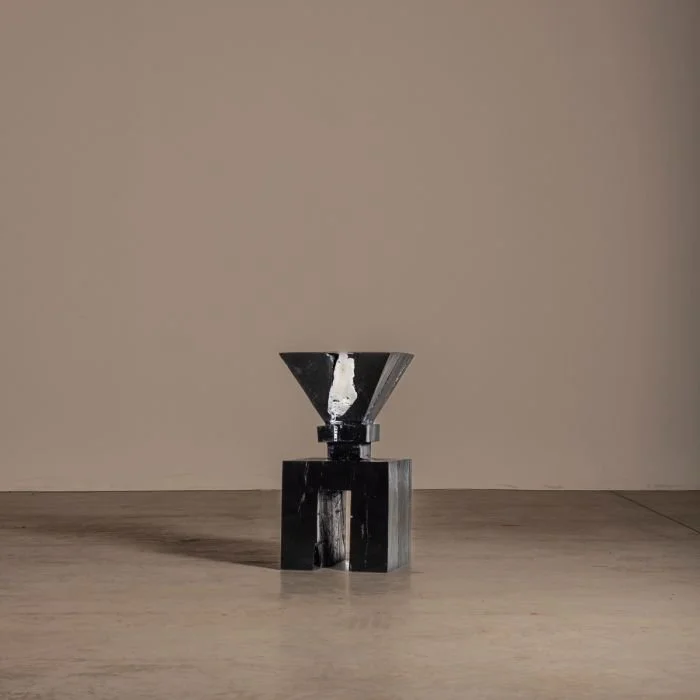
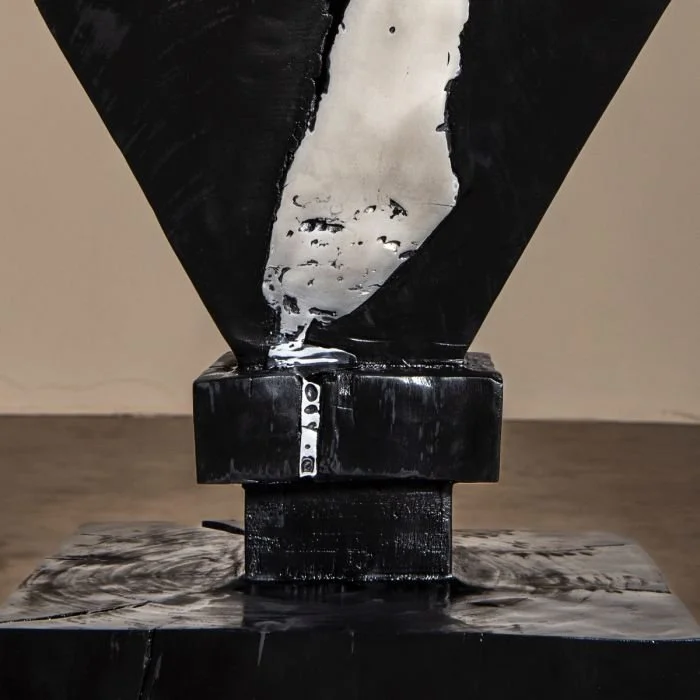
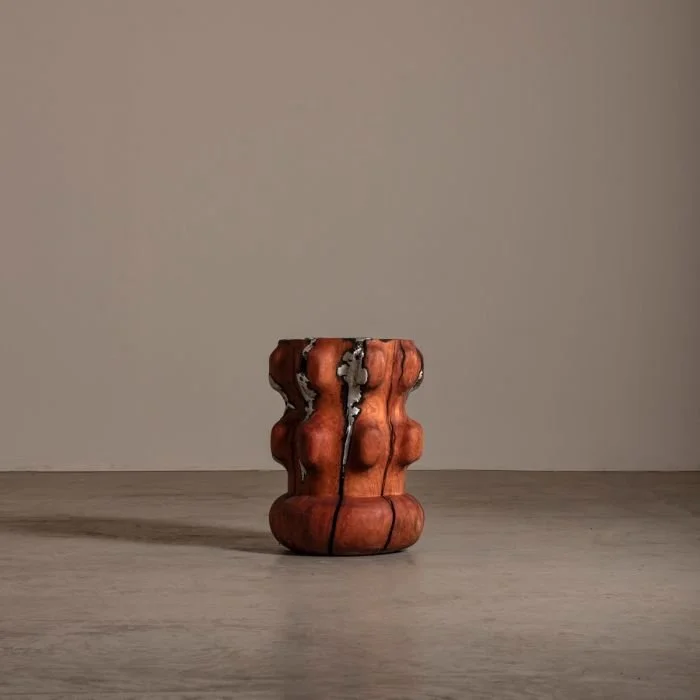
The pieces Totem and Gomos are part of the Raios series, which takes the natural phenomena as a starting point and explores chance as an aesthetic direction. The pieces are made using tree trunks struck by lightning and uprooted by the forces of nature. The chosen trees are, not by chance, eucalyptus — a species imported for exploitative purposes, highly damaging to native soil. During its drying, the trees form cracks between its fibers, visually echoing the lightning phenomenon. Similarly, when electric discharges strike human bodies, they leave branching marks known as Lichtenberg Figures. As a production process, Pedro explores the natural grooves of the wood and fills them with cast metal to reveal their beauty and evoke the image of magma from the earth's core — which is where lightning seeks to arrive.
Totem Coffee Table
Wood and cast aluminum
33 × 33 × 64 cm
€3.900
Gomo Coffee Table
Wood and cast aluminum
46 × 46 × 63 cm
€3.900
Born in Brasília, Pedro Ávila develops his work through a sculptural approach to objects. He founded Estúdio Orth in 2017 and, ever since, he has collaborated with companies such as YouTube, Vitacon and Ambev. In 2020, he was named one of Forbes Brazil’s Under 30, expanding his international presence. His practice explores materials through both manual and industrial processes, resulting in collections that move between craftsmanship and technological production.
VIOLA PINEIDER (STUDIO ARC)
MALIA
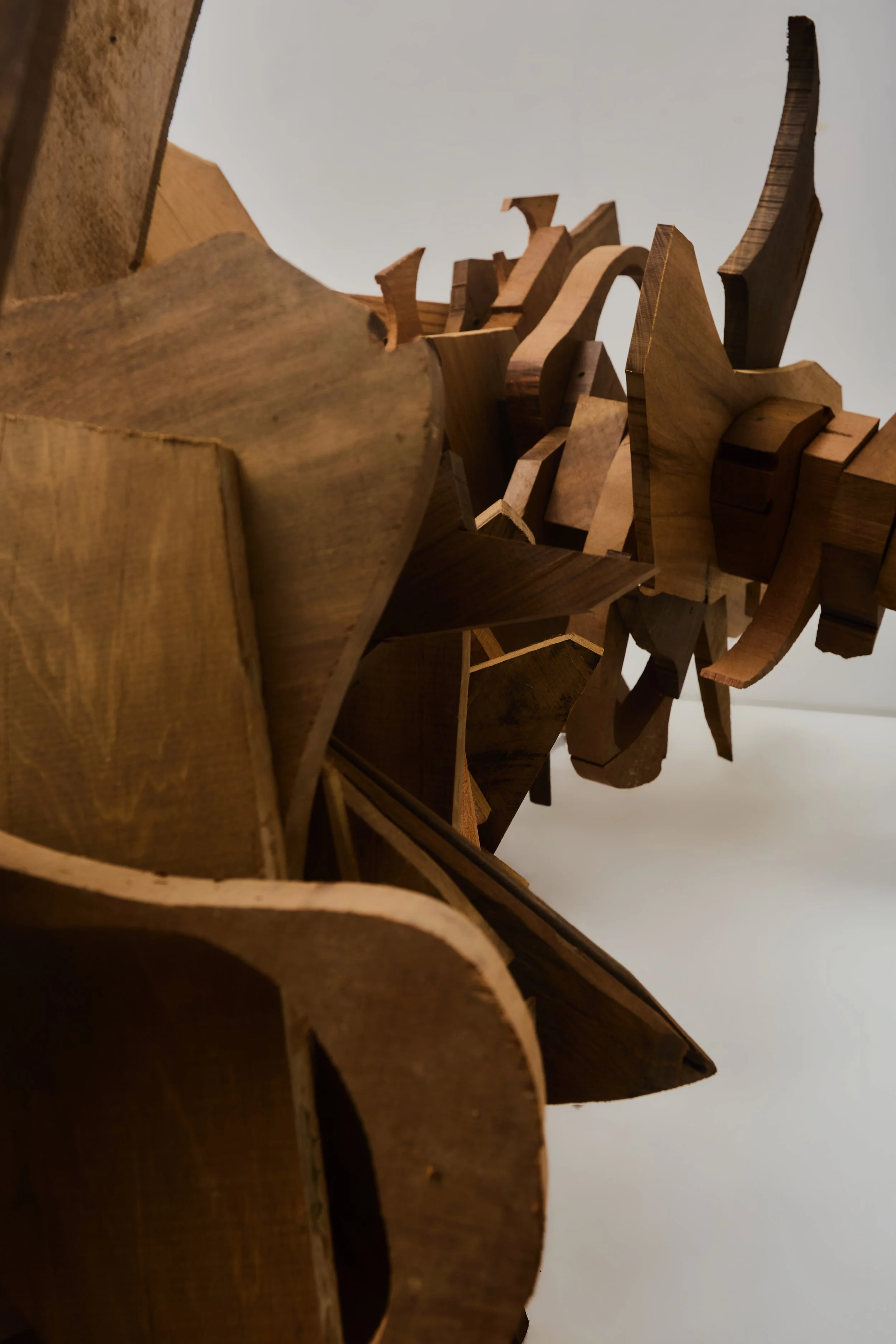
Malìa unfolds as a living organism rather than a finished object — a spatial presence that challenges architectural stability and redefines the boundaries between body and environment. Extending through the space, the installation establishes itself as a perceptual anomaly, inviting a continuous renegotiation between viewer and form.
Rooted in an imaginary bestiary, the work does not replicate nature but simulates its logic of growth, emerging as an invasive yet magnetic presence and occupying space with an unsettling, organic force. The title, an archaic Italian word evoking enchantment, reflects a state where rationality gives way to sensory experience. Constructed from reclaimed wood fragments accumulated over time, Malìa transforms discarded matter into a new material language. Raw surfaces coexist with polished steel elements that distort reflection, fragmenting perception and activating the viewer’s gaze. Suspended between residue and transformation, the work transcends function to become an immersive, shifting experience.
Totem Coffee Table
Wood scraps
300 × 40 × 30 cm
€10.000